

A self-managed villa often starts with the best intentions: keep things lean, stay involved, and protect your profit. After all, you know your property better than anyone. You chose the furniture, approved the photos, set the rates, and probably answered the first few guest inquiries yourself with plenty of enthusiasm.
Then the bookings grow.
The questions get more specific. A guest wants an airport transfer at the same time your cleaner is asking about stained linens. The pool needs urgent attention before check-in. Someone is asking for a discount during peak season. Another guest sends a “quick question” at 11:48 PM, which, as every villa owner knows, is rarely quick.
And this is where managing a villa starts to feel very different from owning one. When you are overseas, travelling, or simply not close enough to visit the property often, every small decision depends on messages, photos, time zones, and trust.
You may still be saving on management fees, but the real cost of a self-managed villa can show up in slower replies, missed bookings, pricing mistakes, guest complaints, and that familiar feeling of needing to check your phone just in case something happened at the villa.
This guide is here to help you look at the full picture. Or maybe lead you to a new decision? We’ll see.
What Does a Self-Managed Villa Really Involve?
A self-managed villa means you are responsible for the full rental operation, not just the property itself. You are usually responsible for:
- Guest inquiries and booking approvals
- Calendar and channel management
- Nightly rates, discounts, and minimum stays
- Housekeeping schedules
- Check-in and check-out details
- Maintenance coordination
- Guest complaints and refunds
- Staff and vendor payments
- Listing updates and reviews
- Local rules, permits, and tax-related tasks.
The phrase “self-managed villa rental” can sound simpler than the reality. In practice, it means becoming the person who connects all the moving parts.
None of these tasks is impossible. Many villa owners handle them well, especially in the beginning. The challenge is that villa rental is not a fixed routine. It changes with each guest, each season, and each tiny surprise the property decides to offer.
A self-managed villa can work beautifully when the system is simple, local support is strong, and you have enough time to stay involved. It becomes harder when the villa needs fast responses, daily pricing decisions, high service standards, and someone nearby to solve physical problems.
Why Self-Management Looks Cheaper on Paper?
Self-management looks cheaper because the management fee is easy to see. Hidden costs are harder to spot.
When you remove a property management fee, your projected return looks better immediately. This can be especially tempting if your villa is in a high-demand destination. The nightly rates look promising, the booking platforms are accessible, and modern tools make remote villa management feel easier than ever.
But the fee is only one part of the equation.
The bigger question is not, “Can you avoid paying a management fee?” The better question is, “Can you replace the work that fee covers without losing income elsewhere?”
Because what usually hurts a self-managed villa is not one huge mistake. It is a series of small leaks: inquiry answered too late, peak period underpriced, same-day turnover rushed. Or maybe a maintenance issue was solved too slowly, even a review that could have been avoided
At first, these may feel like normal business hiccups. Over time, they can affect revenue, reviews, and your own energy.
This is why the real comparison is not simply self-managed vs property management. It is self-managed profit after mistakes, time, and stress versus professionally supported profit after fees.
The First Hidden Cost: Missed Bookings While You Are Busy or Asleep

Guest communication is often the first hidden cost of managing a villa remotely.
When someone chooses a villa, they usually compare several options at once. They might ask about airport transfers, pool fences, private chefs, bedroom layouts, early check-in, nearby restaurants, or how far the villa is from the beach. The villa that replies quickly and confidently often wins.
If you are managing the property yourself, a delay can easily happen. You may be in a meeting. You may be asleep. You may be travelling. You may need to check with the cleaner, chef, or driver before answering. By the time you reply, the guest may have already booked another villa.
The difficult part is that missed bookings do not always feel like losses. You do not receive a complaint. You do not issue a refund. The inquiry just disappears.
For a self-managed villa, this matters even more when bookings are high-value. Slow replies can make even a beautiful villa feel uncertain.
This hidden cost usually appears through:
- Lower inquiry-to-booking conversion
- Guests choosing faster-responding properties
- More repeated questions because the information is unclear
- More pressure during check-in because pre-arrival communication was rushed
- Weaker guest confidence before the stay begins
Good communication does not just answer questions. It builds trust. When you manage a villa from overseas, that trust needs to be created without the guest ever meeting you.
The Second Hidden Cost: Pricing That Feels Right but Performs Wrong
Pricing is where many self-managed villas quietly lose money.
A full calendar can look like success, but it may also mean the villa was priced too low. An empty week can look like bad luck, but it may mean the rate, minimum stay, or discount timing was not aligned with demand.
Villa pricing is more detailed than “low season” and “high season.” Demand varies with school holidays, public holidays, weddings, local events, flight patterns, lead time, weather, and competitors’ availability..
This is where remote villa management becomes more complicated. You can use dynamic pricing tools, but the tools still need human review. If the base rate is wrong, if minimum stays are too strict, or if peak dates are not protected, the tool cannot fully save the strategy.
Common pricing mistakes include:
- Letting peak dates book too early at low rates
- Keeping high rates too long during softer periods
- Applying discounts before testing demand properly
- Forgetting to adjust minimum stays
- Not reviewing competitor availability
- Missing local events or destination-specific demand spikes
Pricing mistakes are painful because they do not always look like mistakes at the time. If your villa books quickly, it feels like a win. Only later do you realise similar villas earned more for the same dates.
The Third Hidden Cost: Housekeeping Gaps That Become Reviews

Housekeeping is not just an operational task. It is your review strategy.
Guests may choose your villa for its design, location, pool, or view. But if the villa does not feel spotless, that becomes the memory they take home. Cleanliness has a way of overpowering everything else.
For a self-managed villa, housekeeping can be difficult because quality control is physical. Photos can help, but they do not always reveal damp smells, tired towels, sticky surfaces, dusty corners, stained linens, or missing amenities. The guest will notice what the photo missed.
The gaps often show up as:
- Complaints about cleanliness
- Requests for extra cleaning after check-in
- Lower guest satisfaction
- Weaker reviews
- Higher refund pressure
- More wear and tear over time
If you live nearby, you can inspect the villa yourself. If you manage a villa from overseas, you need someone local who understands that “clean” in hospitality means guest-ready, not just photo-ready.
The Fourth Hidden Cost: Maintenance That Gets Solved Too Late
Every villa needs maintenance. The real cost depends on how quickly issues are noticed and fixed.
When you are not close to the property, maintenance depends on your local network. Do you have a reliable technician? Can they come quickly? Can someone check the work after? Or even, can urgent repairs be approved without endless messages?
If the answer is no, small issues become expensive because they affect guests before they get fixed.
This is one of the most important differences between a villa that is simply rented and a villa that is properly operated. Good management is not only about solving problems. It is about noticing them early.
A healthy maintenance system should cover:
- AC servicing
- Pool and pump checks
- Pest control
- Plumbing inspections
- Electrical checks
- Roof and drainage checks
- Appliance testing
- Linen and furniture condition
- Pre-arrival inspections
For a self-managed villa, the question is not “Can I find someone to fix things?” The question is, “Can I get the right person there fast enough, at the right cost, before the guest experience suffers?”
The Fifth Hidden Cost: Payment, Rules, and Admin You Cannot Ignore
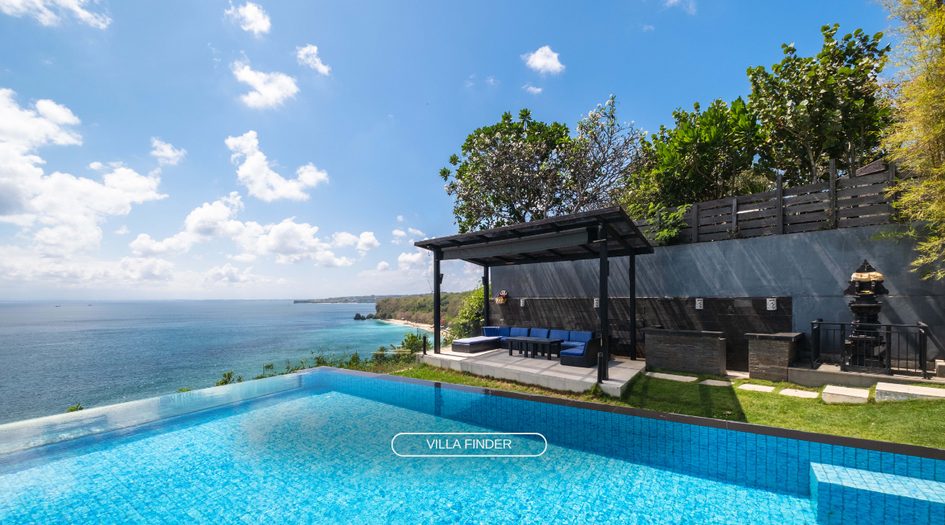
The less glamorous side of villa rental is admin. Sadly, the admin does not become less important just because the pool looks stunning.
If you accept direct bookings, you need proper payment processes, cancellation terms, guest verification, and records. If there is a dispute, you need evidence. If there is damage, you need documentation. If a guest challenges a charge, you need more than a WhatsApp thread and hope.
Then there are local requirements. Each destination has its own rules around villa rental, guest registration, permits, taxes, safety standards, and reporting. Some requirements may be easy to handle locally but frustrating to manage remotely.
This is one reason a villa management company or a local partner in another destination can be valuable. The right team understands not just guests, but also how the destination works behind the scenes.
For self-management, the risk is not always that something goes wrong immediately. The risk is that you operate with weak documentation until one situation exposes the gap.
Make sure you have:
- Clear booking terms
- Guest ID process
- Payment records
- Damage documentation
- Written house rules
- Cancellation policy
- Local compliance awareness
- Proper staff and vendor payment records
This part may not feel exciting, but it protects the villa. A beautiful property still needs boring paperwork. That is hospitality’s least glamorous truth.
The Sixth Hidden Cost: Your Own Time and Headspace
This is the cost that many villa owners ignore the longest.
When you self-manage, your time becomes part of the operating budget. If you spend evenings replying to guests, weekends checking calendars, and holidays coordinating repairs, that time has value.
At first, you may not mind. You are learning the business and staying close to the property. But once the villa becomes busier, the constant attention can become draining.
You may start checking messages during dinner. You may feel nervous before every check-in. You may wake up and immediately look for guest updates. You may pause your own travel plans because the villa calendar feels too active.
That is the emotional side of managing a remote villa. It creates a feeling that the villa is always in the background, waiting for something to happen.
This does not mean self-management is wrong. It means the cost is not only financial. It also affects your energy, focus, and ability to enjoy owning the property.
A villa should be an asset. It should not become a very demanding group chat.
So, When Does a Self-Managed Villa Still Make Sense?

Self-management can still be the right choice in the right situation.
A self-managed villa makes sense when the property is close enough for regular visits, the operation is simple, and you have reliable people nearby. It can also work well if you enjoy hospitality, understand pricing, and have time to stay involved.
You may be able to continue self-managing if:
- You can inspect the villa regularly
- You reply quickly to guest inquiries
- Your pricing is reviewed often
- You have trusted cleaners and backup cleaners
- You have reliable maintenance contacts
- You understand local requirements
- Guest reviews are consistently strong
- The villa does not interrupt your daily life too much
- You enjoy the process
The final point matters more than people admit. Some villa owners genuinely like managing guests, improving listings, adjusting rates, and refining the stay experience. If that sounds like you, self-management can be rewarding.
The key is honesty. A self-managed villa works when it is controlled, not when it survives on luck.
When Self-Management Stops Making Sense
Self-management usually stops making sense when the savings are smaller than the losses, stress, and missed opportunities.
This point does not always arrive dramatically. It often arrives quietly. You notice that inquiries are harder to keep up with. Pricing feels more complicated. The cleaner needs more supervision. Maintenance issues repeat. Reviews are still good, but not as strong as they could be. The villa earns money, but you suspect it could earn more.
That is the moment to pause.
You may be reaching the limit of self-management if:
- You cannot respond to guests fast enough
- You are unsure if your rates are competitive
- You rely too heavily on one cleaner or technician
- You rarely inspect the villa in person
- Guest complaints feel more frequent
- You issue refunds for preventable issues
- Maintenance is reactive, not preventive
- You feel anxious before check-ins
- You do not know how your villa compares with similar properties
- You want the income, but not the daily operations
This is the real turning point in the self managed vs property management decision. It is not about admitting defeat. It is about recognising when the villa has outgrown your current system.
If the property is busy enough to demand professional standards, it may also be ready for professional support.
FAQ About Self-Managed Villa
Can I self-manage a villa from overseas?
Yes, you can self-manage a villa from overseas, but it requires strong systems and reliable local people. You need fast guest communication, pricing tools, housekeeping checks, maintenance contacts, payment documentation, and someone who can physically visit the property when needed.
Without local support, even a simple issue can become difficult. The further you are from the villa, the more important it becomes to build a proper operating structure.
Is a self managed villa more profitable?
A self managed villa can be more profitable if it is run well. You save the management fee and keep direct control over operations.
However, profit depends on more than avoiding fees. If slow replies, weak pricing, cleaning issues, poor reviews, or maintenance delays reduce revenue, professional management may create better net results.
What is the biggest hidden cost of remote villa management?
The biggest hidden cost is usually missed revenue. This can come from lost inquiries, underpriced peak dates, low occupancy during shoulder season, preventable refunds, or poor reviews.
Time is another major cost. If managing the villa takes many hours each month and interrupts your main work or personal life, the true cost is higher than it first appears.
When should I hire property manager villa services?
You should consider professional help when the villa is far away, guest expectations are high, booking volume is growing, or operations feel stressful. It is also worth considering if you are unsure about pricing, compliance, staffing, or maintenance.
The best time to get support is before problems damage reviews or revenue. It is much easier to protect performance than repair it later.
What should I look for in a villa management company Bali?
A good villa management company Bali should understand local areas, guest expectations, pricing patterns, villa staffing, maintenance, and marketing. Ask how they manage Canggu, Seminyak, Uluwatu, Ubud, Sanur, or other areas differently.
Also check their reporting, housekeeping standards, guest response times, maintenance process, and direct booking strategy. The right partner should explain how they protect your villa’s long-term performance.
Is self managed vs property management only about fees?
No. The better comparison is control, time, risk, and net revenue. Self-management gives you more direct control, but it also gives you more responsibility.
Property management adds a fee, but it can also improve pricing, protect reviews, reduce stress, and keep the villa running smoothly when you are not nearby.
Can a villa management team help increase bookings?
Yes, the right team can help increase bookings through better response times, stronger listing presentation, active pricing, guest support, and market positioning. They can also help improve reviews, which supports future bookings.
The goal is not only to fill the calendar. The goal is to attract the right guests at the right rates while protecting the property.
What if I still want some control over my villa?
You can still keep control while working with a management team. A good partner should provide reporting, discuss pricing strategy, ask approval for major expenses, and respect owner-stay preferences.
The best setup gives you visibility without making you handle every operational detail. You stay informed, while the day-to-day work is handled locally.
Want to Manage Your Villa Better Even While Living Overseas?
Owning a villa overseas should feel exciting, not like carrying a hotel front desk in your pocket.
If you have been running a self-managed villa and are wondering whether the property could perform better, this is a good time to review the setup. Maybe you only need stronger pricing. Maybe housekeeping needs better checks. Maybe guest communication is eating too much of your time. Or maybe the villa is ready for a proper management partner who can help it grow with more structure.
Villa Finder can help villa owners and partners make that step with more confidence. With destination knowledge, guest-focused service, and experience across villa markets, the team can support your property so it feels cared for even when you are not nearby.
You can list your villa with Villa Finder, discuss management support, or explore how to make your property more attractive to the right guests. The goal is simple: your villa keeps working beautifully, your guests feel cared for, and you get to enjoy ownership without being pulled into every minor operational fire.
Because a villa should bring returns, pride, and peace of mind. Not surprise plumbing updates at midnight.
Related Articles:
How to Use Your Own Villa Without Destroying Your Booking Calendar
Visibility, Clicks, Conversions: How to Read Your Airbnb Performance Data Like a Top Operator
From Pretty to Profitable: Why Villa Success in 2026 Has Nothing to Do with Occupancy





Comments are closed.