
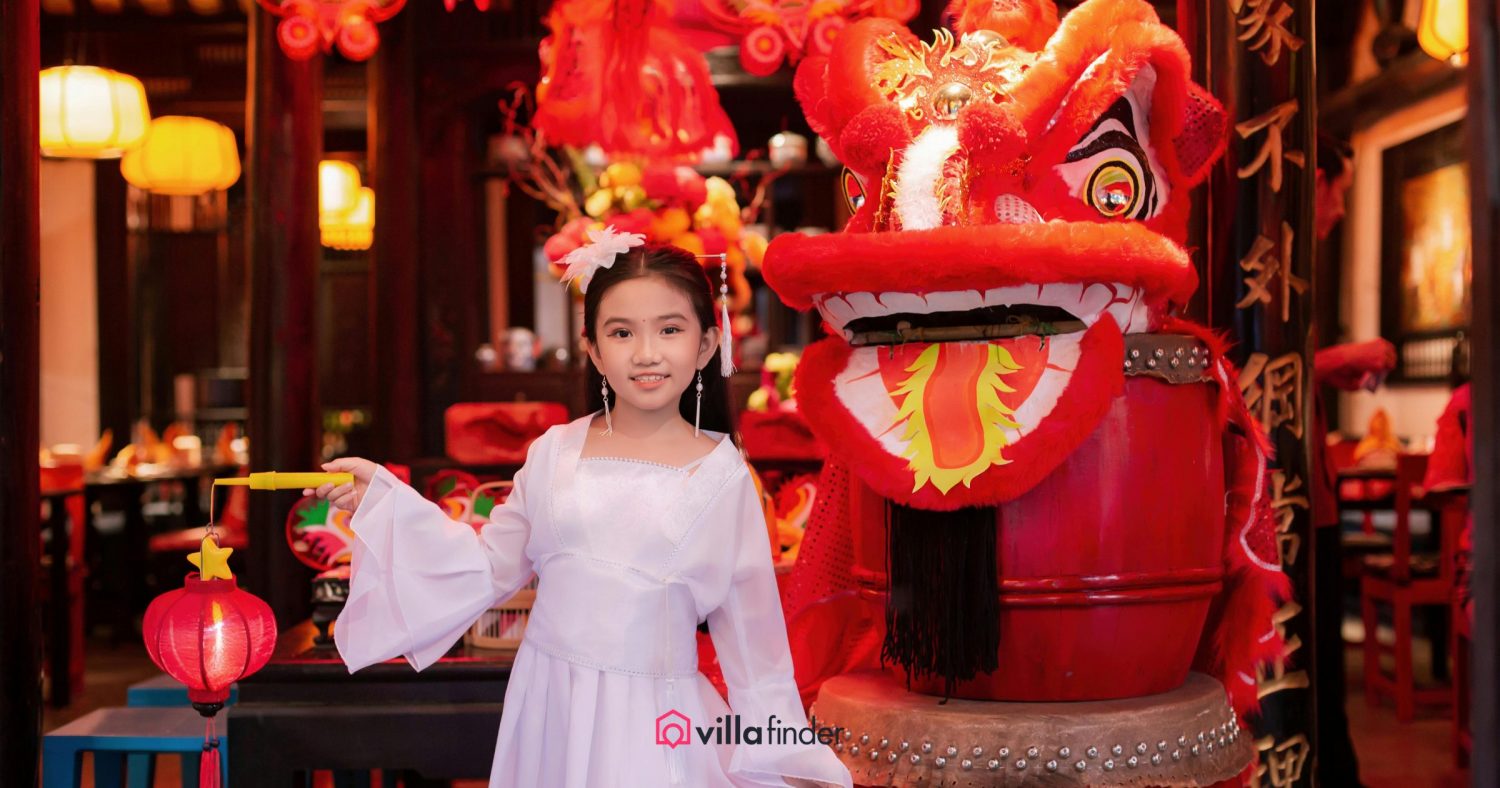
This year, Lunar New Year falls on Tuesday, 17 February 2026. That timing is a gift: one or two leave days can turn it into a long weekend that actually feels different, not just “slept in and did laundry.” Even better, Valentine’s Day sits right at the start of the festive build-up, which makes this week unusually tempting for couples who like their romantic plans with a side of fireworks and good fortune.
This guide focuses on what travellers usually want to know but don’t have time to research: what to do in Chinese New Year, which CNY customs are easy to join respectfully, and where each country adds its own flavour.
Why Does the “Travel Timing” Matter?
Because Chinese New Year is not a one-day event. It’s a build-up, a peak, and an encore. The season generally follows this flow:
- Preparation week (often called the “Little Year” phase): 9–16 February 2026
This is when you’ll see homes being cleaned, markets getting busier, and red decorations taking over streets and shopping districts. - Lunar New Year’s Eve: Monday, 16 February 2026
The night for reunion dinners and staying up late with family-style food. - Chinese New Year’s Day: Tuesday, 17 February 2026
The big day: temple visits, visiting relatives, and the first wave of public celebrations. - Lantern Festival: Tuesday, 3 March 2026
The traditional “closing chapter” of the season in many cultures, often marked by lantern displays, performances, and festival food.
If you’re travelling for a long weekend, aim to arrive during the preparation week or just before New Year’s Eve. That’s when the streets are lively, the food is at its most festive, and you’ll catch the anticipation that makes the holiday feel special.
The Traditions That Connect Every Destination
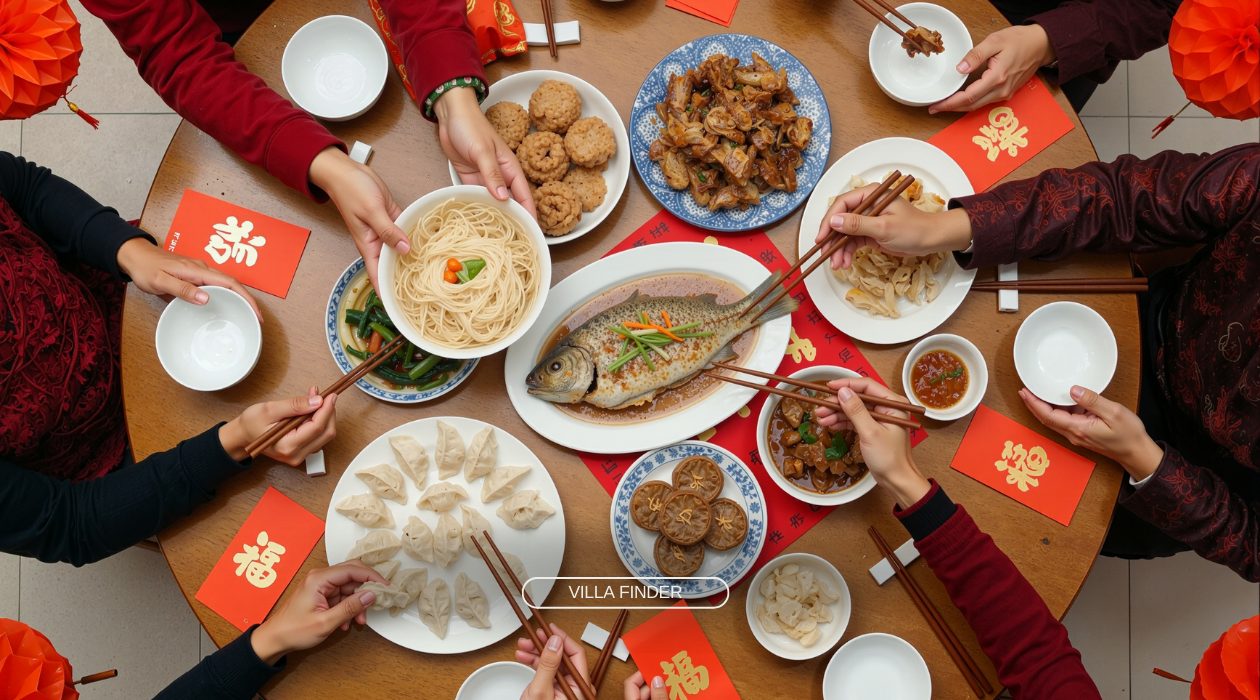
Wherever you go, you’ll notice the same themes: a fresh start, blessings for the year ahead, and a lot of effort put into togetherness. The details change by country, but the backbone is familiar.
The “you’ll see this almost everywhere” list:
- Family reunion dinner (usually Lunar New Year’s Eve)
- Cleaning the home before New Year’s Day to “clear out” bad luck
- Red decorations for protection and prosperity
- Red envelopes: hongbao/angpao given as blessings
- Firecrackers and drums to chase away bad spirits
- Lion and dragon dances outside shops, malls, temples, and public squares
Easy ways to take part without feeling intrusive:
- Book a festive meal on New Year’s Eve (set menus are common in big cities)
- Wear a small touch of red on New Year’s Day (a shirt, scarf, or accessory is enough)
- Visit a temple early in the day for a calmer, more respectful atmosphere
- If you’re offered a red envelope or festive snack, accept with both hands and a smile
CNY in China and Hong Kong
If Lunar New Year has a “source material,” this is it. In many parts of China, the holiday is a full societal reset, powered by one of the largest annual travel movements in the world. For travellers, that means two things at once: unforgettable atmosphere and serious logistics.
Experiences to plan around if you’re planning to travel there:
- Temple fairs (music, performances, snacks, crafts, folk traditions)
- Flower markets in southern cities (kumquat trees and blossoms are popular symbols)
- Hong Kong’s harbour energy: a highly accessible way to experience the holiday with big public events, bright skylines, and easy transport
A small cultural curiosity that visitors find oddly satisfying is “bad luck clearing” rituals. It exists in many forms. Hong Kong has famous local traditions that focus on symbolically sending negativity away, and it’s a reminder that Lunar New Year isn’t only celebration—it’s also emotional housekeeping.
Chinese New Year in Vietnam (Tết)
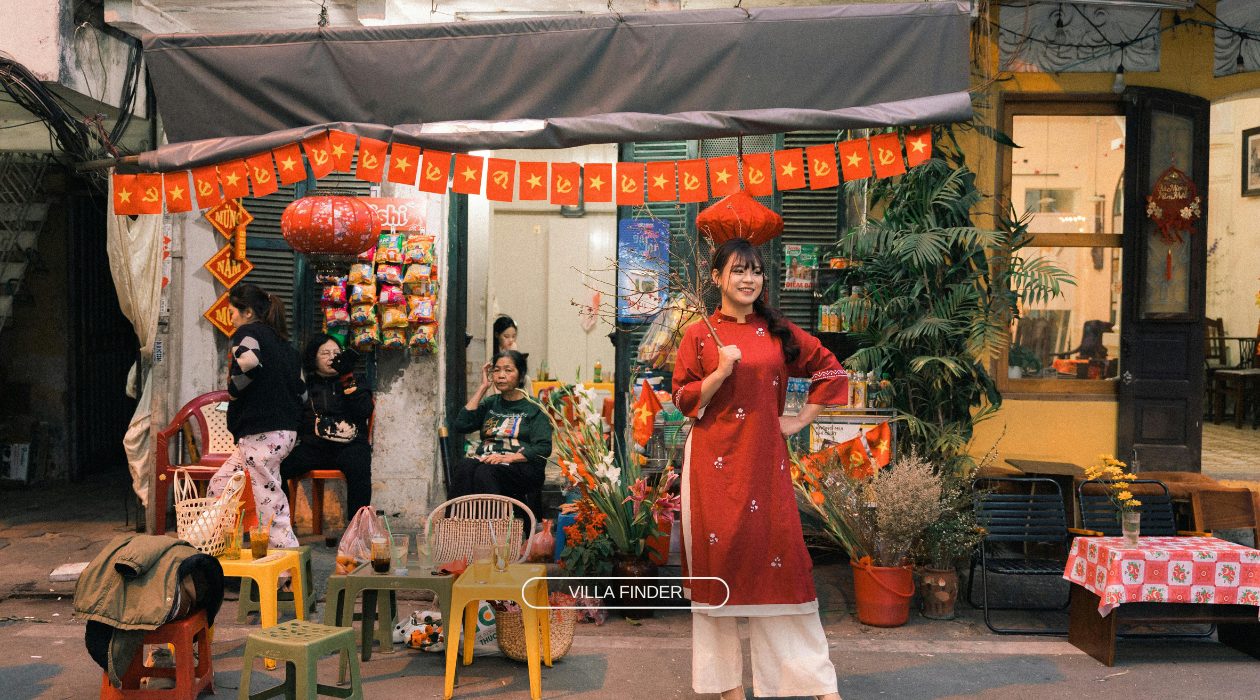
The best time to experience Tết Nguyên Đán as a traveller is the build-up. That’s when cities are alive with preparation: families choosing blossoms, shopfronts being refreshed, and markets feeling like they’re selling good luck as much as food.
What is The Vibe Around Tết?
In Hanoi and Ho Chi Minh City, the lead-up is busy and colourful. Then, during the main days, the “ghost town” shift can be real: many local businesses close, and streets get noticeably quieter as people return to hometowns.
That contrast is part of what makes Vietnam memorable at this time of year. It’s festive, then suddenly peaceful.
The Best Thing to Do During Tết
Explore flower markets before New Year’s Day
Hanoi is known for peach blossoms, Ho Chi Minh City for yellow apricot blossoms and kumquat trees. Even without buying anything, walking these markets feels like watching the city prepare for a new chapter.
Join a bánh chưng moment if you can
Bánh chưng is one of Tết’s iconic foods. In some homestays and community experiences, travellers can learn the wrapping process—banana leaves, sticky rice, and a long simmer that becomes a social event in itself.
Expect “joyful fireworks,” but with local rules
Vietnam has moved toward allowing certain non-explosive fireworks like sparklers. You’ll often see small celebrations in alleyways and neighbourhood corners rather than massive city-wide explosions.
What to Eat During Tết
- Bánh chưng (sticky rice cake) for the most iconic seasonal bite
- Candied fruits and sweet snack trays that show up during visiting season
Some areas slow down dramatically for a few days. Rather than fighting it, build your itinerary around it: slower mornings, scenic walks, booked meals, and a comfortable base.
CNY in South Korea
If you ever heard about Seollal, it is not the same as Chinese New Year. Yet, they share the same lunar calendar date and often falling on the same day. The vibe is totally different. As CNY is usually festive, but Korea’s Seollal is famously private and family-first. Travellers arriving in Seoul expecting a street party often get surprised by how calm the city can feel.
But, don’t be mistaken! That calm is exactly what makes it special.
Why Seollal is The Good Timing to Travel
As many residents travel to ancestral hometowns, Seoul can feel unusually spacious. Traffic eases. The pace slows. Cultural landmarks become easier to enjoy, especially if winter snow shows up.
What You Should Do During Seollal
Visit royal palaces and heritage spots
It’s one of the best times to appreciate the grandeur without the usual crowds.
Look for public cultural programming
Places like folk villages and hanok areas often offer holiday activities designed for visitors: traditional games, performances, and demonstrations that make the holiday feel accessible without needing a family invitation.
Eat tteokguk at least once
Tteokguk (rice cake soup) is deeply tied to starting the new year. It’s comforting, easy to find, and culturally meaningful in a way that doesn’t require any special access.
You’ll also hear about Charye, an ancestral rite performed at home. You won’t be expected to participate as a visitor, but knowing that Seollal centres on family rituals helps the quieter mood make sense.
CNY in Singapore
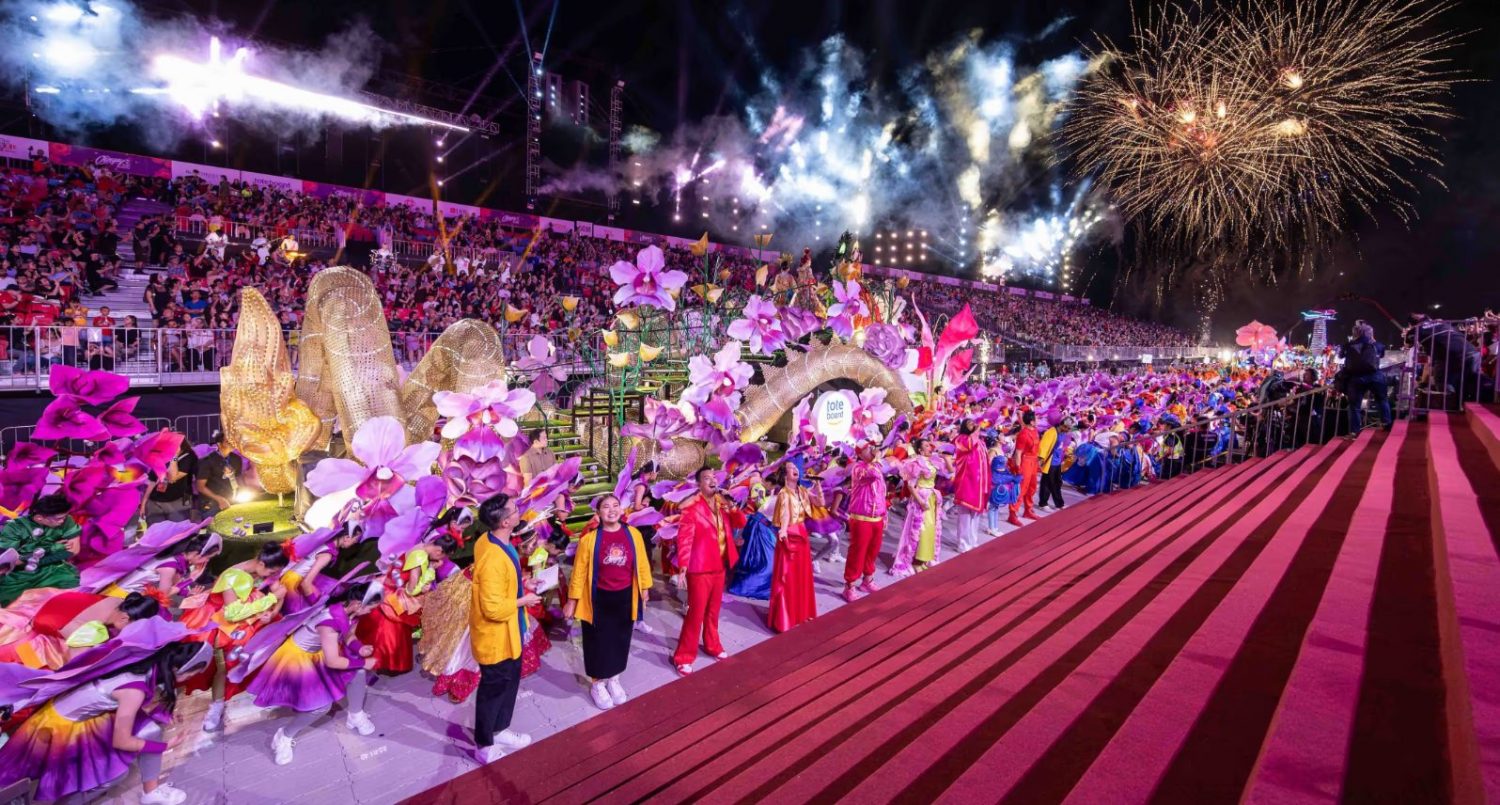
Singapore is the place to go if you want CNY activities that are public, organised, and genuinely easy to enjoy as a visitor. It’s family-friendly, group-friendly, and surprisingly good for solo travellers who want atmosphere without confusion.
Highlights during Chinese New Year in Singapore
Singapore leans into the festive build-up with lantern displays, Chinatown energy, performances, and food experiences that turn into social rituals.
Two headline moments define the season:
- River Hongbao (15–24 February 2026) for lantern spectacle and a festival vibe that works for all ages
- Chingay (27–28 February 2026) for big, high-production parade energy
What Should You Try During CNY in Singapore
Lo hei / yusheng is the prosperity salad toss—diners stand, toss ingredients high, and shout auspicious wishes. It’s loud, messy, and uniquely tied to Singapore and Malaysia rather than mainland China. The must-try experience here:
If you want one “signature memory” from CNY in Singapore, this is it.
CNY in Penang, Malaysia
Malaysia’s Lunar New Year season is loud, social, and delicious—and Penang is a standout because it pairs heritage streets with unforgettable night scenes.
Why You Should Visit Penang during CNY
Malaysia’s celebrations are public and welcoming, powered by strong Peranakan and Hokkien community traditions. That means plenty of street energy, temple culture, and food-centred rituals that are easy for travellers to enjoy. Don’t miss out these events:
Kek Lok Si Temple’s lighting ceremony (13 February 2026)
This is one of Penang’s most iconic CNY visuals: a temple transformed by thousands of lights.
Pai Ti Kong / Jade Emperor celebrations (night of 23–24 February 2026)
This is the “encore chapter” many visitors don’t realise exists. In Penang, the Hokkien community treats this period as deeply significant. Chew Jetty becomes a dramatic scene of offerings and devotion, often featuring sugarcane and large ceremonial displays.
What to Eat in Penang
Penang makes it very easy to build your day around food without trying too hard. During the season, look out for:
- Pineapple tarts and sticky cakes
- Mandarin oranges everywhere (as gifts and blessings)
- A post-temple hawker centre feast that turns into a “just one more dish” situation
CNY in Indonesia (Imlek)
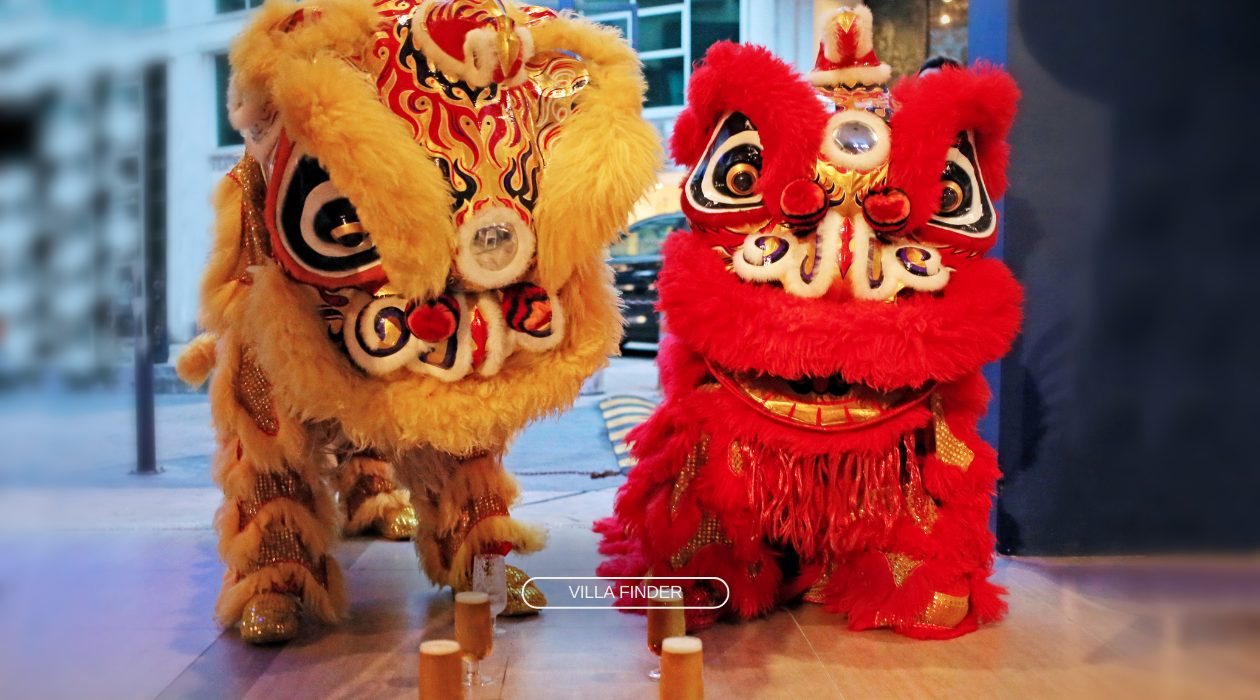
In Indonesia, Chinese New Year is widely known as Imlek, and it has its own identity shaped by cultural blending and local traditions.
The season can be experienced in two different moods: full energy in city Chinatowns, and relaxed celebration in places that don’t shut down.
Which Part of Indonesia to Visit During Imlek
Jakarta (Glodok/Pecinan) is a classic entry point: lanterns, temples, festive snacks, and lion dances that can appear in neighbourhood corners when you least expect it.
Other Indonesian cities with historic Chinese-Indonesian communities can also have strong Imlek vibes, especially around temples and market streets.
How About Bali during Imlek?
Bali is often a comfortable base during the wider Asian holiday period because life continues at a steadier pace.
Chinese temples like Vihara Dharmayana in Kuta become especially vivid during this season, with red-and-gold décor and an atmosphere that feels both festive and spiritual.
Eat This During Imlek!
Lontong Cap Go Meh is one of the best examples of Indonesian-Chinese cultural fusion: rice cake served with chicken curry and sambal as part of the 15th-day celebration. It’s comfort food with a story built in.
CNY in Thailand
Thailand is ideal if you want Lunar New Year atmosphere without giving up holiday comfort. The key is choosing places where Chinese-Thai heritage is visible and celebrations are easy to stumble into.
Phuket
Phuket’s celebrations are closely tied to its Chinese-Thai (Peranakan/Baba) heritage, and Old Town often becomes the centre of the mood.
You can find lantern-lit streets and public performances, shrine visits and incense offerings woven into everyday life, and also food that reflects local Chinese-Thai history, not only standard “CNY menu” clichés
Koh Samui
Samui tends to be more low-key than Phuket, which can be perfect for travellers who like dipping into culture and then returning to calm. Celebrations often cluster around temples and main towns, with lion/dragon dances and seasonal dinners creating a festive undercurrent rather than a full takeover.
CNY in Japan
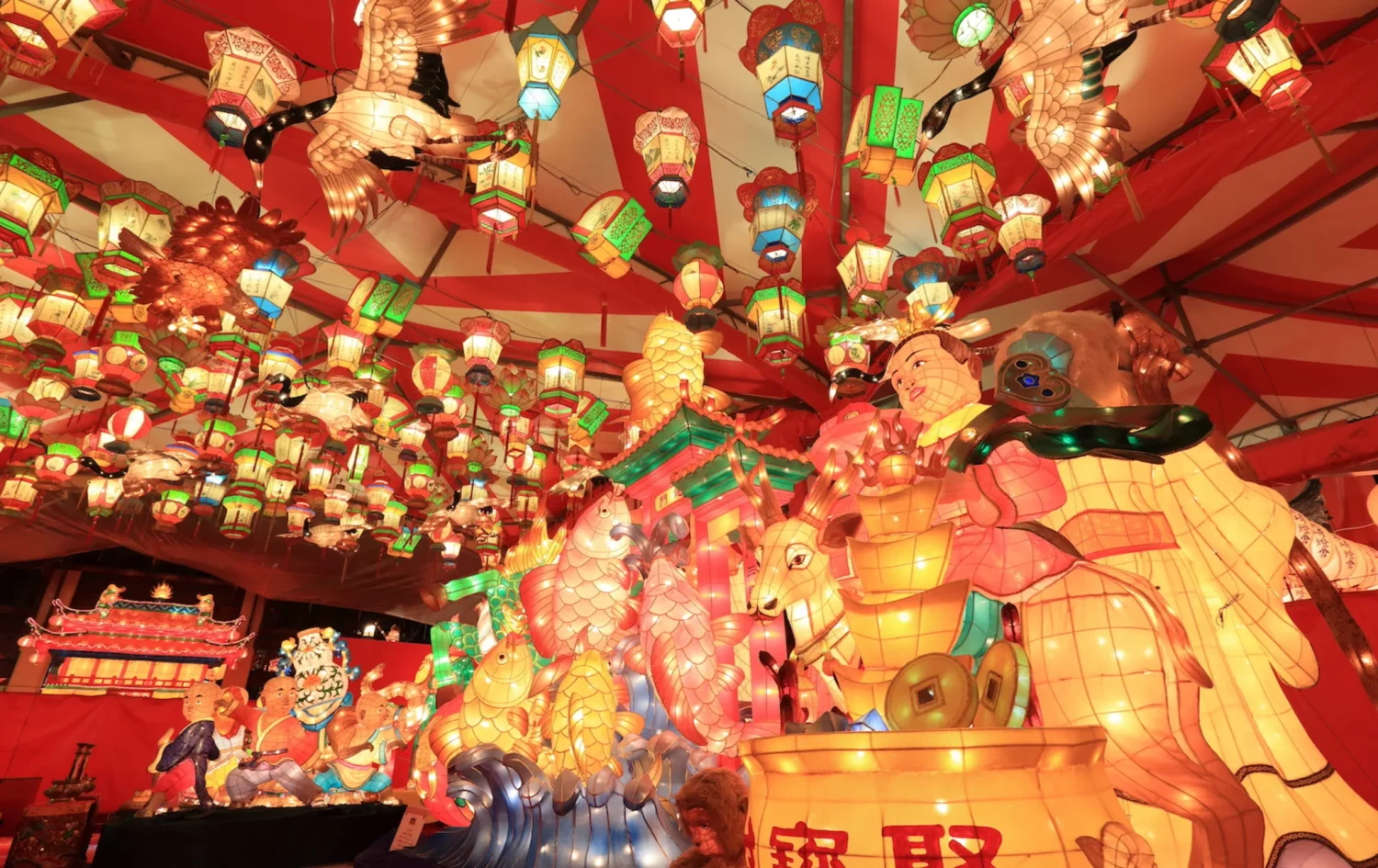
Japan’s official New Year is celebrated in January, but Lunar New Year still shows up beautifully in historic Chinese enclaves. For travellers, this can feel like discovering a secret festival chapter.
Nagasaki Lantern Festival (6–23 February 2026)
Nagasaki’s Lantern Festival is one of the most visually striking Lunar New Year experiences in this guide: thousands of lanterns illuminating the city in a way that feels festive without being chaotic.
Yokohama Chinatown
Yokohama Chinatown often features Cai Qing lion dances, where lions visit shops to “bite” hanging red envelopes as a symbolic blessing. Firecrackers are part of the tradition too—especially notable in a country where celebrations are typically well-regulated.
CNY in Sri Lanka
Sri Lanka isn’t a nationwide Lunar New Year destination in the way Singapore or Vietnam is. That’s precisely what makes it appealing to certain travellers.
With growing Chinese investment and tourism, CNY celebrations in Sri Lanka have increasingly appeared through hotels and organised spaces in Colombo—lion dances, gala dinners, and programming aimed at visitors and expat communities.
This style suits travellers who want:
- Beaches, tea country, and wildlife as the main trip
- A festive CNY night as a memorable add-on, without heavy crowds
CNY in the West
If Asia isn’t on the schedule this year, diaspora celebrations in major Western cities still deliver the essence of the season—often with their own local flair.
London (UK)
London is known for a major parade weekend and a stage-show atmosphere that feels welcoming to visitors. Chinatown becomes the obvious anchor, but the best meals are often a short walk beyond the most crowded streets.
San Francisco (USA)
San Francisco’s Chinese New Year celebrations are famous for their night parade energy and community street fairs. It’s one of the strongest options for families and first-timers who want big spectacle in a well-organised setting.
Vancouver (Canada)
Richmond’s celebrations often lean into food culture and shopping-centre festivities, with seasonal menus and events that feel designed for an easy weekend outing.
FAQs for Chinese New Year Celebrations
What’s the difference between Lunar New Year and Chinese New Year?
“Lunar New Year” is the umbrella term for celebrations tied to the lunisolar calendar. Chinese New Year is the most widely recognised version globally, while Vietnam calls it Tết and Korea calls it Seollal, each with its own foods and rituals.
What are the most common CNY customs visitors should know?
The most universal CNY custom includes reunion dinners, pre-holiday cleaning, red décor, red envelopes, lion dances, and noisy celebrations (firecrackers where allowed). Even learning these basics makes the holiday easier to appreciate across different countries.
What should you wear during Chinese New Year?
Red is the safest festive choice. A subtle touch is enough. Comfortable shoes matter more than perfection—markets and festival streets usually involve a lot of walking.
Is everything closed during Chinese New Year?
It depends on the destination. Vietnam and Korea can become noticeably quieter during the main family days, while Singapore and Malaysia keep plenty of public events running. Building a flexible “walk + temple + booked meal” plan avoids disappointment.
Can tourists give hongbao/angpao?
It’s possible, but it’s not expected in most situations. If you do, keep it respectful: new red envelopes, clean notes, and give with both hands. When unsure, follow local guidance or keep it as an “observe and learn” tradition.
Which destinations are best for families with kids during CNY?
Singapore is one of the easiest thanks to structured, family-friendly events and safe public spaces. Phuket and Koh Samui also work well when beach time is part of the plan, with cultural moments added in the evenings.
Which destinations are best for couples during CNY 2026?
Japan (lantern festival atmosphere), Vietnam’s flower-market lead-up, and island destinations like Phuket or Samui are strong picks. With Valentine’s Day at the start of the festive build-up, this week naturally suits romantic itineraries.
How early should accommodation be booked for CNY 2026?
If travel dates fall around 17 February 2026, booking sooner is better—especially for larger groups, family-friendly villas, and stays near festival hotspots. This week often sells quickly in popular destinations.
“Lucky” Holiday Starts with The Right Base
CNY trips tend to be loud, busy, and wonderfully social—then you’ll want a comfortable place where the day can slow down again. That’s where a villa stay makes the holiday easier to enjoy: space for a reunion-style dinner, privacy for families with kids, and a living area that works just as well for remote work as it does for late-night snacks.
If Bali, Phuket, Koh Samui, or Sri Lanka are on the plan, Villa Finder can help match you with a stay that fits your travel style, plus a concierge team that can arrange the practical magic—private chefs, drivers, babysitters, and local experiences that turn a long weekend into a story worth keeping.
Related Articles:
The Best Places to Travel to in 2026
The Food Bucket List: Must-Try Western Comfort Bites!
Why All-Inclusive Villas are The Escape Burnout Travelers Need




Comments are closed.