
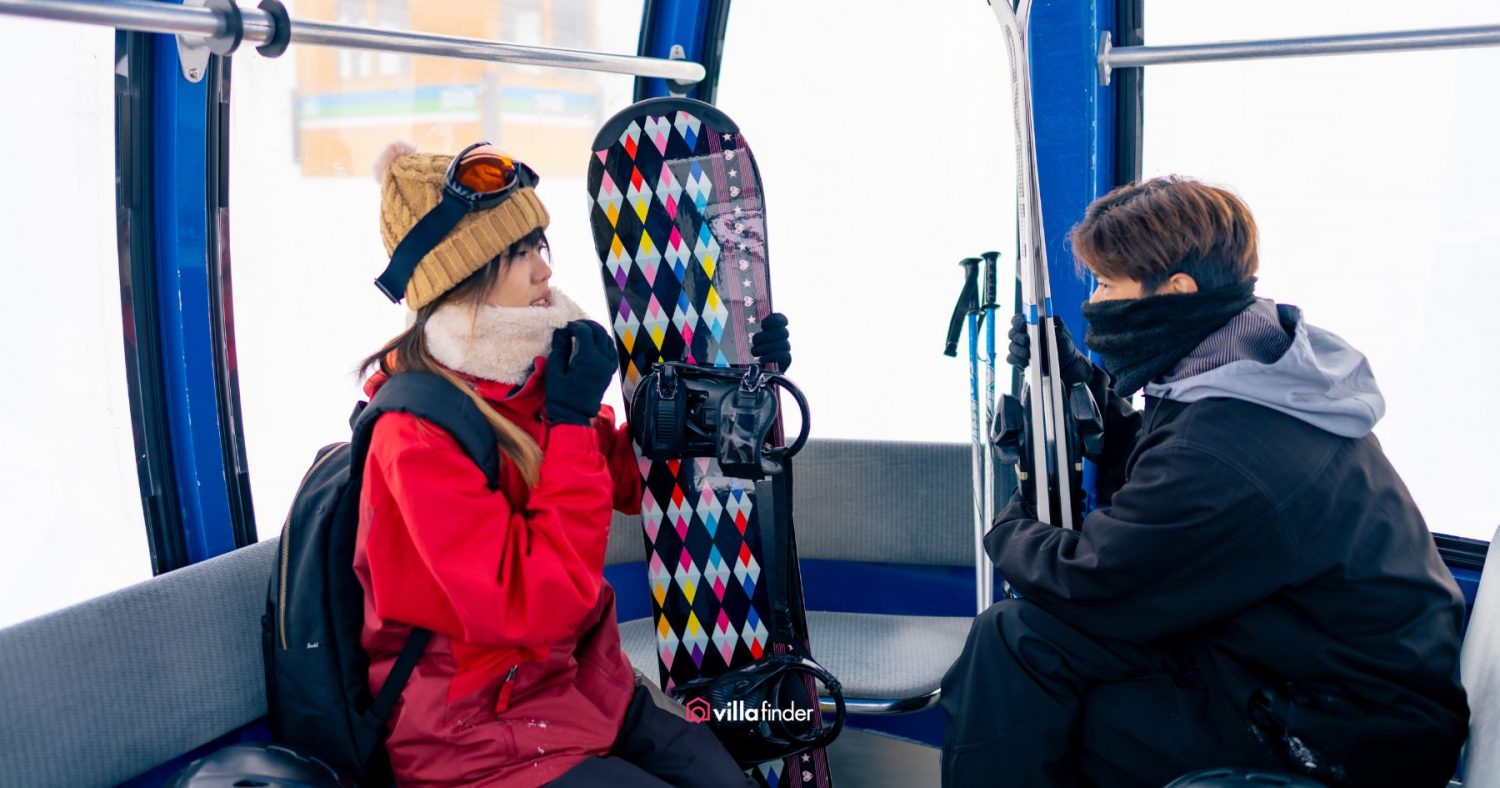
So, you’re planning a ski holiday in Japan. The flights are probably on your mind, the dreamy snow photos have already made it into the group chat, and someone has definitely said, “Let’s try skiing while we’re there!” Lovely idea. Very main-character-in-a-winter-movie.
Then comes the less glamorous question: how do you actually get a Japan lift pass?
If you’ve never skied in Japan before, this part can feel a little intimidating. Not because it’s impossible, but because there are a lot of small details hiding behind that one simple ticket.
Hakuba has 10 resorts spread across the valley. Niseko has four ski areas wrapped around one mountain. Some passes include shuttle access, some don’t. Some are perfect for full ski days, while others make more sense if you only want a scenic gondola ride, a beginner lesson, or a few gentle runs before retreating to ramen and an onsen.
To make the whole thing feel easier, we’ll walk you through the complete guide on buying Japan lift pass.
How Japan Ski Lift Passes Work
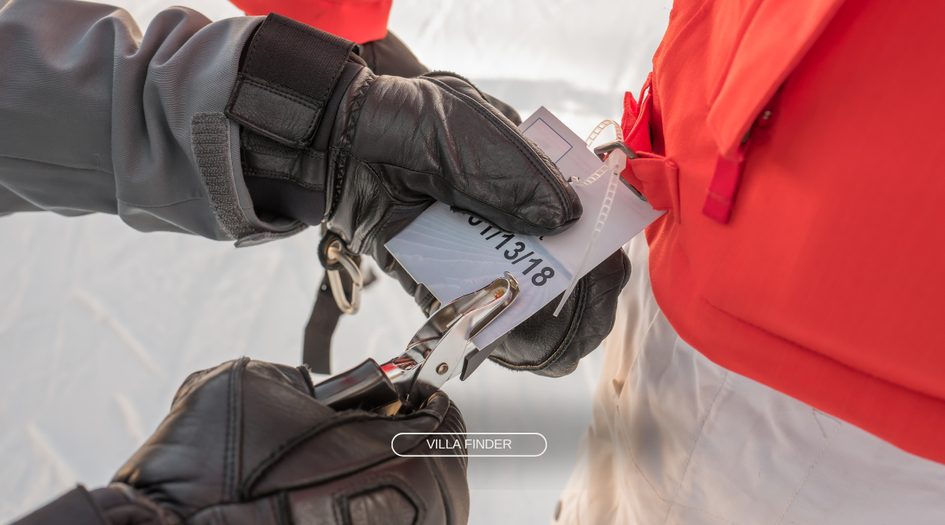
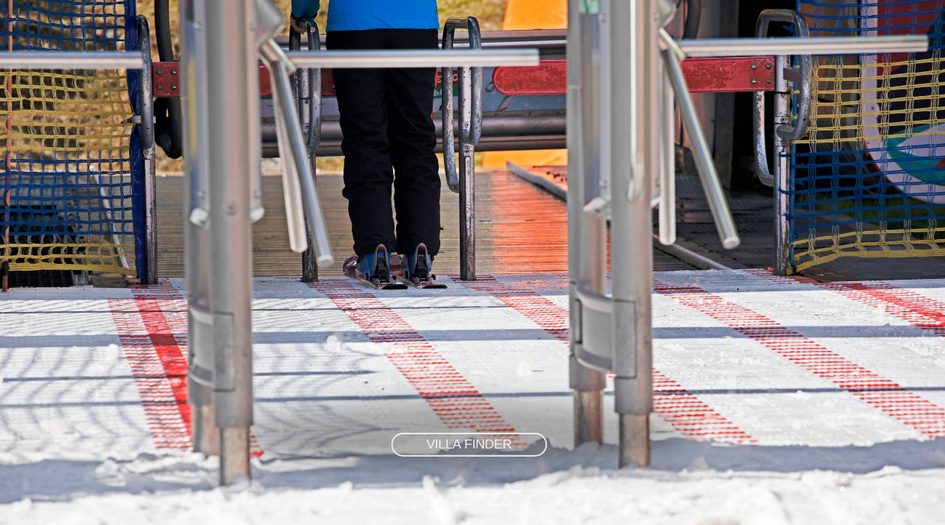
Most major ski resorts in Japan use IC cards, or RFID-style passes. You keep the card in your jacket pocket, walk through the lift gate, and the system scans it automatically. There is no dramatic paper ticket flapping in the wind, which is lovely news for anyone who has ever lost something on a chairlift.
The part that needs attention is the pass type. Japan offers plenty of flexibility, which is great once you understand the choices.
1. Day Pass
A day pass gives you lift access for one ski day. It can be valid at one resort or across several resort areas, depending on what you buy.
It is simple, but always check the coverage. A one-day pass for one resort is not the same as an all-mountain day pass.
2. Multi-Day Pass
A multi-day pass gives you access for several ski days. Some are consecutive, while others allow a wider usage window. Hakuba Valley, for example, offers multi-day passes that can be used over a longer validity period after first use, which is helpful when you want a rest day.
Before buying, check how the validity works. “Five days” can mean five consecutive days in some places, or five ski days within a longer window in others.
3. All-Mountain or Valley Pass
This is the pass you buy when you want flexibility.
In Hakuba, the Hakuba Valley Pass covers all 10 resorts in the valley. In Niseko, the Niseko United All Mountain Pass covers Annupuri, Niseko Village, Grand Hirafu, and Hanazono.
It usually costs more than a single-resort pass, but the freedom can be worth it, especially when your group’s plans change after day one. They often do. Snow holidays have a funny way of making everyone very ambitious at dinner and very realistic by breakfast.
4. Hourly Pass
Hourly passes are one of Japan’s most underrated ski options. Instead of paying for a full day, you pay for a set number of hours across your trip.
Niseko United offers a 50-hour pass online. The idea is clever: the clock counts by the hour once you scan in. Ski for a few hours in the morning, stop for lunch, enjoy an onsen, then keep the remaining hours for another day.
Hourly passes can be brilliant, but read the activation rules carefully. Some passes activate not only at lift gates, but also when used for connected shuttle access.
5. Point Pass
A point pass works like a small lift-credit wallet. Each lift ride uses a certain number of points. Some lifts may cost more points than others, especially gondolas.
Point passes are especially useful when you’re not trying to “ski the whole mountain.” Sometimes the goal is just one scenic ride, one gentle slope, and one hot chocolate. That is still a perfectly respectable snow day.
6. Night Skiing Pass
Night skiing in Japan can be magical: glowing slopes, quieter runs, cold air, and that slightly cinematic feeling of skiing under the lights.
But don’t assume it’s included. Some day passes include night skiing during operating periods. Others do not. Hakuba Valley’s all-mountain pass, for example, is not valid for night skiing.
Always check the resort’s night skiing schedule. It depends on dates, weather, and resort operations.
Hakuba Lift Pass Guide: Best for Flexible Ski Days
Hakuba is one of Japan’s most exciting ski destinations because it gives you options. Lots of them. The valley has 10 resorts, each with a different feel, slope style, and scenery. It’s fantastic for groups, families, and curious skiers who don’t want the same mountain every day.
It also means your decision on the Hakuba lift pass deserves a little attention.
What does the Hakuba Valley Pass cover?
The Hakuba Valley Pass covers all 10 Hakuba Valley resorts:
- Jigatake
- Kashimayari
- White Resort Hakuba Sanosaka
- ABLE Hakuba Goryu
- Hakuba 47 Winter Sports Park
- Hakuba Happo-One
- Hakuba Iwatake
- Tsugaike Mountain Resort
- Hakuba Norikura
- Hakuba Cortina
This pass is the easiest choice when you want freedom across the valley. You can ski multiple resorts during the valid period and use the Hakuba Valley Shuttle Bus for free on ski or snowboard days.
A small but important detail: at Jigatake, the IC card needs to be exchanged for a local lift ticket before use. Not difficult, just worth knowing before you arrive, and looking too confident.
This pass is especially useful when the weather changes. Maybe Happo-One is windy, or the group decides Tsugaike feels better for beginners. With a valley pass, you’re not locked into one mountain.
Where should you stay in Hakuba for easier access to the lifts?
For smoother ski days, choose your Hakuba base based on your group’s style.
- Happo and Wadano are great for classic Hakuba access, restaurants, and proximity to Happo-One. These areas suit confident skiers, couples, and families who want a scenic alpine feel.
- Echoland works well for dining and group stays. It’s lively without being too intense, with shuttle access to different resorts.
- Goryu and Hakuba 47 areas are practical for families, lessons, and mixed ski levels. Staying nearby can reduce morning travel stress.
- Tsugaike is a good choice for beginners and families who want wide, gentle terrain and a more relaxed pace.
The golden rule: don’t just book the prettiest stay. Check the nearest shuttle stop, transfer time, ski school location, and where you’ll collect your pass.
Niseko Lift Pass Guide: Best for Powder, Night Skiing & Easy Access
Niseko is the name that makes powder lovers sit up straighter. It is famous for soft snow, international energy, excellent food, and some of Japan’s most accessible ski infrastructure.
The main ski area, Niseko United, includes four resort zones:
- Grand Hirafu
- Hanazono
- Niseko Village
- Annupuri
Together, they wrap around Mt. Annupuri. Each area has its own personality, so your Niseko lift pass should match your stay and ski style.
What does the Niseko United All Mountain Pass cover?
The Niseko United All Mountain Pass gives access to all four areas. It is the easiest option when you want the full Niseko experience, especially for confident skiers who want variety.
During night skiing periods, Niseko day tickets are generally valid until the end of night skiing on the final day of the ticket. This gives Niseko a lovely advantage for people who want to squeeze more mountain time into the day.
When is a local Niseko pass enough?
A local pass may be enough when you already know where you’ll ski.
Grand Hirafu and Hanazono share a combined pass, which works well for many first-time Niseko visitors. This area has strong facilities, lessons, rental shops, dining, and a wide range of terrain.
Niseko Village and Annupuri also offer their own local options. These can suit guests staying nearby or people who prefer a quieter, more contained ski day..
Where should you stay in Niseko for easier access to lifts?
- Hirafu is the easiest choice for first-time trips to Niseko. It has restaurants, bars, rental shops, ski schools, and quick access to Grand Hirafu.
- Hanazono is polished, modern, and great for families or beginners who want strong facilities.
- Niseko Village suits resort-style holidays, couples, and families who like convenience with a more tucked-away feel.
- Annupuri is calmer and often loved by people who prefer wider runs and a quieter village mood.
For bus arrivals, many routes use Hirafu Welcome Centre or resort-area stops. Always check your exact arrival point before booking accommodation. “Close to Niseko” can mean very different things once snow, luggage, and sleepy children are involved.
How to Buy a Japan Lift Pass Before or During Your Trip

You can buy a Japan lift pass in several ways: online, at the resort ticket counter, through a travel provider, or with help from a concierge.
Each option has its place.
Buying online
Online purchase is often the fastest option. In Niseko, online lift passes can help you skip ticket counter queues, collect your key card at a machine, and top up the same card later.
Always read the fine print before paying. Some online lift passes are non-refundable and cannot be changed after purchase. The wrong date, wrong pass, or wrong person’s details can become an expensive little lesson.
Buying at the resort counter
Counter purchase is still useful, especially when you need help. The downside is queue time. During peak ski season, the ticket counter can be busy in the morning. Fresh snow waits for nobody, which feels rude but true.
Booking through Villa Finder Concierge
For Hakuba, Villa Finder Concierge can help arrange lift passes for the Hakuba Valley in advance. The pass is an IC card valid at all 10 Hakuba Valley resorts, and the booking process requires details such as names, dates of birth, accommodation, and check-in date.
A QR voucher is sent closer to the date, and you’ll need to download or print it to receive the pass. The pass is for individual use only, is non-shareable and non-refundable, and is not valid for night skiing
Common Japan Lift Pass Mistakes to Avoid
A good ski day can be derailed by tiny admin errors. These are the ones to watch.
Buying the biggest pass too quickly
More access is not always better. Beginners often use only a small part of the mountain. A family with kids may not need full access to the valley every day. Match the pass to the actual plan.
Forgetting that night skiing has separate rules
Hakuba Valley Pass does not include night skiing. Niseko’s rules are different during night-skiing periods. Always check before planning an evening session.
Activating your pass too early
Some passes activate at the first scan. In certain cases, shuttle use may count as first use. Read the terms before scanning casually.
Keeping your pass beside your phone
RFID and IC cards can be fussy. Keep the pass in a separate jacket pocket, away from phones, coins, wallets, and other cards.
Forgetting your ID
Bring photo ID for Epic and Ikon support. A passport is safest for international guests.
Assuming refunds are easy
Many lift passes are non-refundable or non-transferable. Weather, illness, transport delays, and plan changes may not guarantee a refund.
Not booking buses in advance
For Niseko transfers, advance reservations matter. The bus may not stop without a reservation, and ski gear must be properly packed in a ski or snowboard bag.
Sharing a pass
Don’t. Many passes are for individual use only. Misuse can lead to cancellation or invalidation.
FAQ: Japan Lift Pass Guide
What is a Japan lift pass?
A Japan lift pass is your ticket to access ski lifts, gondolas, and resort gates. At major resorts, it is usually an IC card or RFID-style card that scans automatically at the lift gate.
Do I need a lift pass if I only want to ride a gondola?
Sometimes, yes. Some resorts offer sightseeing gondola tickets or point passes for people who are not skiing. This is a good option for non-skiers, grandparents, or anyone joining for the mountain views.
Should I buy my Japan lift pass before arriving?
Buying before arrival is often better during peak season, especially for families and groups. Online purchase or Concierge support can reduce queue time and help you choose the right pass before your ski day.
Can I buy a Japan lift pass at the resort?
Yes. Most resorts sell lift passes at ticket counters. This is useful when you need staff assistance, child tickets, Epic Pass redemption, or help choosing the right option.
Is the Hakuba Valley Pass worth it?
The Hakuba Valley Pass is worth it when you want access to all 10 resorts and plan to use the Hakuba Valley Shuttle Bus. For short stays or beginners using one resort, individual resort passes may be better value.
Does the Hakuba Valley Pass include shuttle access?
Yes, the Hakuba Valley Pass includes Hakuba Valley Shuttle Bus access on ski or snowboard days. Be careful with activation rules, because using the shuttle before skiing may count as the first day of use.
Does the Hakuba Valley Pass include night skiing?
No. The Hakuba Valley Pass is not valid for night skiing or the night shuttle. Buy a separate night skiing ticket at the resort offering evening operations.
Which Hakuba resort is best for beginners?
Tsugaike, Goryu, and parts of Happo-One are popular with beginners, depending on lessons and accommodation location. Families should prioritise ski school access, gentle slopes, and easy shuttle routes.
What is the best Hakuba lift pass for families?
Families staying several days and exploring different resorts may like the Hakuba Valley Pass. Families with young beginners may save more with individual resort passes, half-day tickets, or lesson-area access.
What does the Niseko United All Mountain Pass include?
The Niseko United All Mountain Pass covers Annupuri, Niseko Village, Grand Hirafu, and Hanazono. It is best for skiers and snowboarders who want full access to the whole Niseko United area.
Is the Niseko 50-hour pass worth it?
Yes, for flexible ski days. It works well for families, couples, casual skiers, and powder seekers who prefer shorter sessions across several days instead of full-day skiing every day.
Which Niseko lift pass should beginners buy?
Beginners staying in Hirafu or Hanazono may do well with the Grand Hirafu and Hanazono pass. Guests staying in Annupuri or Niseko Village can choose local passes to keep things simple.
Can I use Ikon Pass in Niseko?
Yes. Ikon Pass holders can use their pass at Niseko United lift gates. Bring your physical pass, and keep digital pass details plus ID ready in case staff assistance is needed.
Can I use Epic Pass in Hakuba?
Yes. Eligible Epic Pass holders can receive five consecutive days at Hakuba Valley. You must redeem the benefit at a designated ticket window and may need photo ID.
Can I scan my Epic Pass directly at Hakuba lift gates?
No. Epic Pass holders must first receive a local Hakuba Valley ticket at a designated ticket window. After that, the issued Hakuba ticket can be used for lift access.
Can Villa Finder Concierge help with Japan lift passes?
Yes, for Hakuba. Villa Finder Concierge can assist with Hakuba Valley lift pass arrangements. For Niseko, we currently support bus-ticket logistics and related ski planning, not lift-pass booking.
Can I book with Villa Finder Concierge without staying in a Villa Finder villa?
Yes. You can book selected Concierge experiences with us even when you are not staying in a Villa Finder villa. Our team can help customise the plan based on your group, dates, and ski style.
Final Thoughts: Make the Lift Pass the Easy Part
A Japan ski holiday should feel like crisp air, soft powder, warm ramen, steamy onsens, and that happy tiredness you only get after a day in the snow. It should not feel like decoding ticket rules with cold fingers while everyone waits outside.
Choose your Japan lift pass based on where you stay, how many days you’ll ski, who’s coming, and how much flexibility you need. Hakuba rewards people who plan around the valley. Niseko rewards people who choose the right zone and pass style.
Villa Finder Concierge can help make those decisions easier. For Hakuba, we can assist with lift pass arrangements. For Niseko, we can help with bus tickets and ski-day logistics. Even when you are not staying in one of our villas, you can still book selected experiences with us.
Less queueing. Fewer translation-app gymnastics. More snow, more laughter, and more “this was absolutely worth it” moments. That’s the kind of Japan ski trip worth planning for.
Related Articles:
Where to Stay in Niseko: Best Areas, Chalet Types & Booking Tips for Ski Trips
What to Pack for Your Japan Ski Trip: The Complete List
The Overlooked Travel Essential That Changes Everything: Power Plug Difference



Comments are closed.