
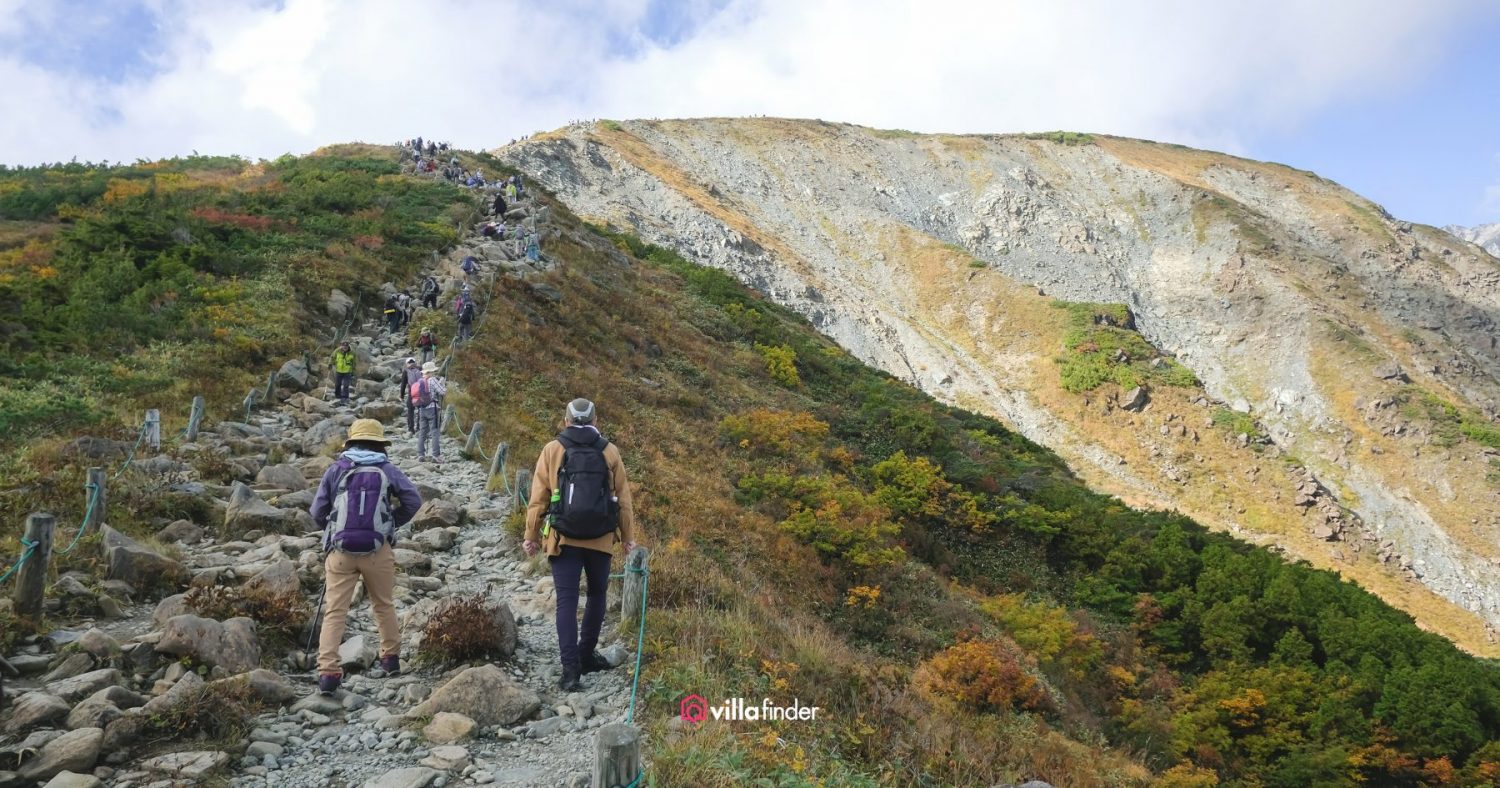
Summer in Hakuba is a gentle surprise. The place you’ve heard about for legendary snow suddenly shows up in a completely different mood: green ridgelines, crisp mornings, lake water so clear it looks edited, and cafés that make you linger longer than planned (oops).
If a Hakuba powder guide is what introduced this valley in winter, consider this the flip side of the same postcard—built for non-skiers, mixed-age families, friend groups, and anyone who wants a fresh kind of Japan escape that feels outdoorsy without feeling intimidating.
Let’s plan with us!
Why It’s A Good Plan to Go to Hakuba’s “Green Season”
Hakuba’s Green Season runs through spring into autumn, and peak summer energy usually lands in July and August. Early summer can overlap with Tsuyu (rainy season), which is exactly why a good plan includes one or two indoor-friendly ideas—so the trip stays fun even when the clouds get moody.
A simple way to choose your timing:
- Late spring and early summer: greener forests, fewer crowds, cooler hiking conditions
- Peak summer: best for lake days, full activity schedules, and the most reliable mountain-access operations
- Early autumn: crisp air, calmer vibe, and views that still hit hard
Planning tip that makes everything smoother: mountain views are clearest in the morning. Hakuba rewards early starts with fewer crowds and better skies.
The Best Area to do Summer Stay in Hakuba
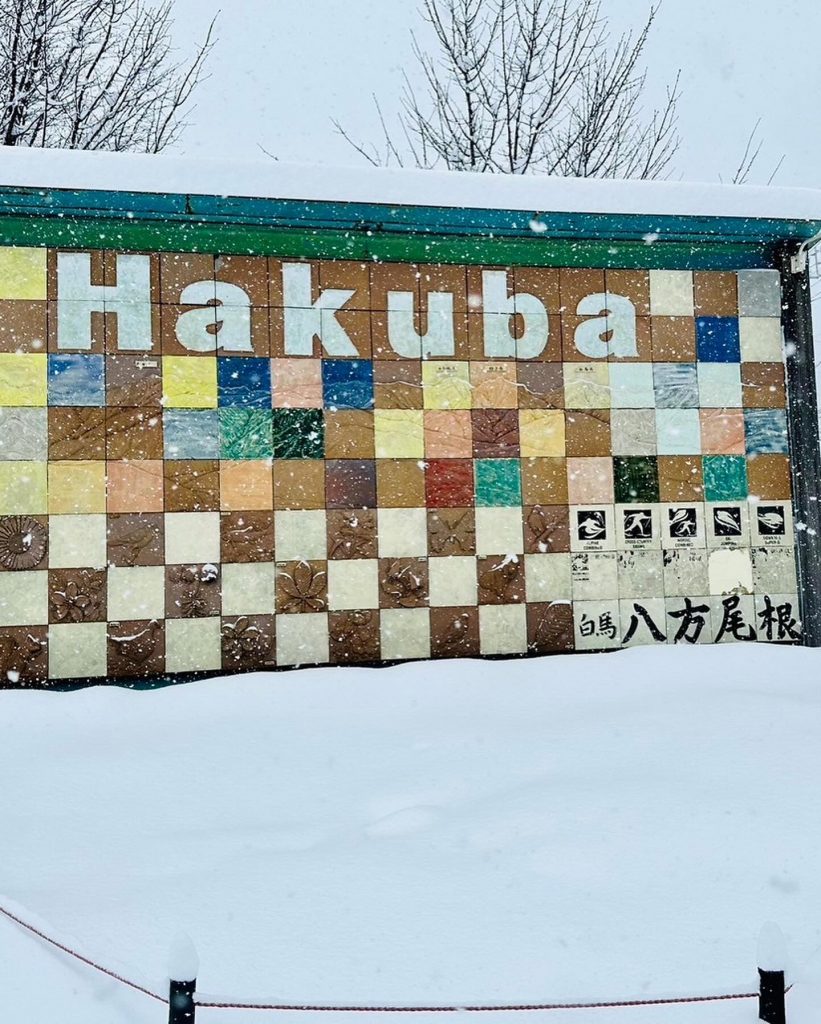
Hakuba is spread out, and your base quietly controls how your holiday feels. Choose the right area and the valley becomes effortless: dinner is walkable, activities cluster naturally, and nobody ends the day negotiating a 30-minute “where are we going next” debate.
Here’s the neighborhood cheat sheet that works for most travelers:
Wadano
Wadano is the “soft landing” part of Hakuba—green, peaceful, and perfect if your holiday goals include early nights and easy mornings.
Echoland
Echoland is social, walkable, and packed with cafés and restaurants. If food is a big part of your holiday happiness, this base makes planning simpler.
Happo Village
Happo feels like the practical hub: central positioning, easy access to transport points, and a good place to start if this is your first Hakuba trip.
Tsugaike
Tsugaike is a quieter base that pairs beautifully with easy alpine walking and family-friendly nature.
Transport note that matters in summer: shuttles exist, but they’re less frequent than winter. For longer stays or family travel, a small rental car (kei car) can be the difference between “easy exploring” and “we’ll just stay in tonight.”
Hakuba Mountain Guide: The Hikes and Lift Rides
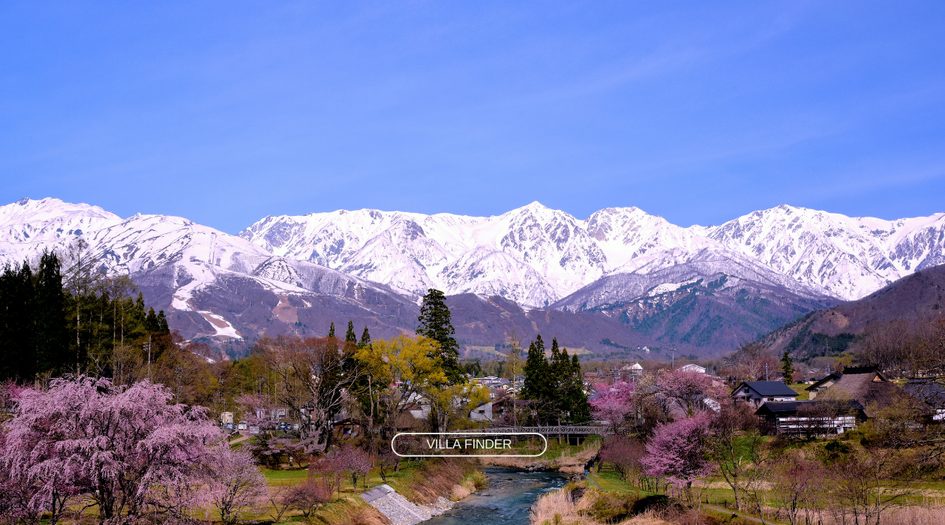
Hakuba’s summer scenery is high-alpine and dramatic, but the best part is how accessible it can be. The valley’s lift infrastructure lets you “skip” the most tiring elevation, then walk into landscapes that feel like a different country.
Happo Pond (Happo-ike)
If you want one signature Hakuba moment, make it Happo Pond. This is the hike that delivers those mirror-reflection photos on calm mornings—peaks, sky, and water lined up like nature is showing off.
The trail transitions from boardwalk sections to rocky terrain, so it feels like a real mountain walk without being extreme. On clear mornings, the pond can reflect the Hakuba peaks so vividly it looks unreal
Villa Finder Insider tips:
- Aim for the first gondola around 8:00 AM so you arrive before mid-day clouds often soften the reflection
- Look out for “Morgenrot,” the sunrise glow that turns peaks pink-red in early light
- Bring proper shoes—this is not a flip-flops-and-hope situation
Tsugaike Nature Park
Tsugaike Nature Park is the “everyone can do this” option without sacrificing beauty. It’s a high-altitude wetland accessed by the Tsugaike Ropeway, with around 5.5 km of boardwalk routes across a wide-open landscape.
Why it’s a good fit for your crew (even with kids!):
- Boardwalk walking is predictable and manageable for kids and older travelers
- Summer wildflowers (June through August) add color and curiosity, especially for children who love spotting “new” plants
- It’s visually stunning without demanding steep climbs
Iwatake Mountain Resort
Iwatake is a brilliant choice when your group wants scenery but not a long trek. The star here is HAKUBA MOUNTAIN HARBOR, a panoramic terrace at altitude with the kind of view that makes conversation pause for a second.
What makes it memorable:
- You can see the Northern Alps spread out in full drama
- On certain days, you can even spot snow features like the glacier-certified Karamatsuzawa snowfield in the distance
- There’s a built-in reward: The City Bakery at the terrace, which turns “just one photo” into a proper sit-down moment
And yes, the famous Yoo-Hoo! Swing lives here too—equal parts fun and “this is going straight to the family group chat.”
Mount Shirouma via the Daisekkei
This is for serious hikers. The route involves the Daisekkei (Great Snow Valley), a permanent snowfield that can still require crampons even in August. If your group is experienced and wants a true alpine challenge, this is the bucket-list option. If anyone is new to snow travel, a professional guide is the smart move.
The Best Summer Activities in Hakuba
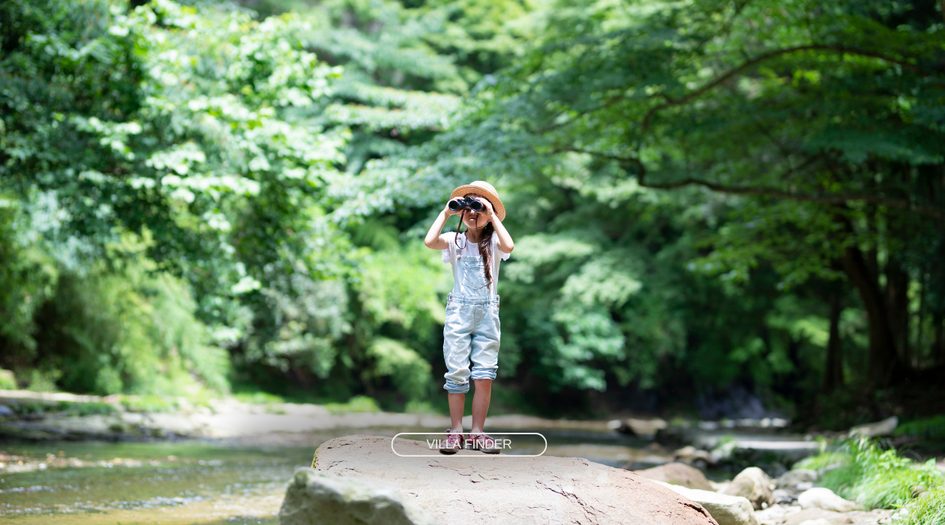
Here’s the part that convinces people who “don’t do snow sports.” Hakuba in summer is an adventure playground with options for every confidence level.
Mountain biking at Iwatake Mountain Bike Park
Hakuba has positioned itself as a premier MTB destination in Japan, and Iwatake’s park is the flagship. The Noah Gondola is set up with bike racks, so you ride up without burning energy, then enjoy the descent through flow trails or more technical lines.
Beginner-friendly ways to do it well:
- Rent an E-MTB from Rhythm Japan so exploring doesn’t feel like a fitness test
- Book instruction with Evergreen Outdoor Center if anyone in your group is new to downhill technique (this is especially useful for families with teens who want to try it safely)
- Start on the pump track first, then level up to longer runs
Lake Aoki (Aokiko)
Lake Aoki is the go-to for water activities because it’s known for crystal-clear water and a peaceful atmosphere without motorized noise. It’s the perfect “rest day” that still feels special.
What to do at Lake Aoki:
- SUP (stand-up paddleboarding)
- Kayaking or canoeing
- A slow picnic-style afternoon that’s genuinely relaxing (rare achievement on family holidays)
A good provider to know: Evergreen Outdoor Center also runs water activities with English-friendly guidance, which can be reassuring for overseas travelers.
Rafting and canyoning: Hakuba’s natural water park
If you’re visiting during a hotter stretch, this is Hakuba’s most satisfying reset. The Himekawa River and nearby gorges become a playground:
- Rafting is lively and fun, great for groups and families who want a shared experience
- Canyoning is the adrenaline option: sliding waterfalls, rappelling into mountain pools, and leaving the day feeling wildly refreshed
Providers frequently mentioned in summer activity circles include Evergreen Outdoor Center and Hakuba Lion Adventure.
Hot air ballooning
If your group includes kids, grandparents, or anyone who prefers “beautiful without effort,” a tethered hot air balloon ride is an easy win. Hakuba Lion Adventure runs early-morning balloon experiences that are gentle and family-friendly—the kind of activity that feels special even if the rest of the day stays simple.
Paragliding
Tandem paragliding from Happo-One gives you a bird’s-eye view of the valley and mountain lines. It’s not an everyday experience, which is exactly why it makes a holiday memorable.
What to do when “Tsuyu” (Facing Rainy Day in Hakuba) Comes
Some summer guides pretend every day is blue skies. Hakuba does not always cooperate, especially in early summer. The smartest plan includes one or two activities that don’t rely on perfect weather.
Keep these on your back pocket list:
- Hakubounce (indoor trampoline park): a lifesaver for kids and a surprisingly good mood reset for adults
- Leather-crafting workshops: hands-on, calm, and a great “souvenir with a story”
- A café-and-onsen day: slow lunch, good coffee, long soak, early night
This is where your accommodation style matters, too. A chalet living room plus a rainy afternoon can become the most relaxing part of the trip.
How to Experience Hakuba Like a Local
Hakuba’s best memories often come from small moments that don’t look like a big activity on paper.
Oide Park
“Morgenrot” is a mountaineering term for the sunrise glow that turns peaks pink-red. You don’t need to hike to see it—Oide Park is the most accessible viewpoint for that early morning show.
If you want one gentle “wake up early” experience, make it this. It’s quiet, beautiful, and feels like you’re in on a local secret.
Himekawa River headwaters
Hakuba’s water is famously pure, sourced from alpine snowmelt. The Himekawa River headwaters are a spot where you can literally see water bubbling up from the ground. It’s one of those simple stops that makes you appreciate the environment you’re visiting.
Saegusa Art Museum
Hakuba is not only adrenaline and trails. For solo travelers, couples, or families needing a calmer hour, the Saegusa Art Museum offers a slower pace and a cultural layer that many summer guides skip.
Wildlife spotting
Hakuba’s forests are home to the kamoshika (Japanese serow), a protected national symbol. Spotting one is a genuine thrill—especially for children—without turning your day into a wildlife expedition.
Hakuba Dining Guide: Where to Eat in Summer
Summer dining in Hakuba is calmer than winter, and it leans into Nagano’s Shinshu bounty: fresh produce, clean water, and regional flavors. This hakuba dining guide also doubles as a hakuba food guide for overseas travelers who want local experiences without guesswork.
Bears Café Kumaza (Echoland)
This is the “only in Hakuba” bite: the bear meat burger—rich, tender, and deeply flavorful. It’s famous for a reason.
Not ready for bear? The café also serves wild game sliders like venison, duck, and lamb, which makes it perfect for groups: everyone can try something new without committing to one big leap.
Ao Café (Lake Aoki)
If your holiday needs one slow, scenic meal, make it Ao Café. Handmade pasta, craft sodas, and a terrace that feels almost on the water. It pairs perfectly with a lake day and works beautifully for families who want a relaxed lunch stop.
Sakulala Sweets
This one wins hearts. Hidden in a forest setting with a whimsical interior, it’s known for gluten-free pastries and memorable bakes like Salted Butter Apple Focaccia. Families love it even more because it feels like stepping into a gentle, cozy world—and yes, there’s a resident husky, which tends to become the highlight for kids.
Mountain Harbor (Iwatake)
At HAKUBA MOUNTAIN HARBOR, the view does a lot of the work, but the food is also part of the experience. The City Bakery’s pastries are a favorite, and it’s hard to argue with a croissant when the Northern Alps are sitting behind it.
TABITABI Gelato
If you need a “keep scrolling” reason in real life, it’s gelato after a mountain day. TABITABI is known for small-batch, farm-to-table flavors—summer watermelon gets a lot of love.
Dinner picks for a satisfying finish
When the day has been active, dinner should feel earned:
- Trattoria Liberta: Italian comfort with local ingredients
- Hie / Tori Co: yakitori and soba in an alpine atmosphere that feels relaxed, not rushed
Hakuba can be pricey. Supermarkets like The Big and A Co-op are a smart way to balance the budget, especially for families. Stock up on breakfast basics and snacks, then choose one or two “special” meals out—everyone stays happier.
Sake bonus: Nagano is renowned for sake, and summer is a great time to join a tasting experience that includes seasonal nama-zake. One brewery name that appears in local sake conversations is Ichinoya Sake Brewery.
Hakuba Onsen Summer Guide
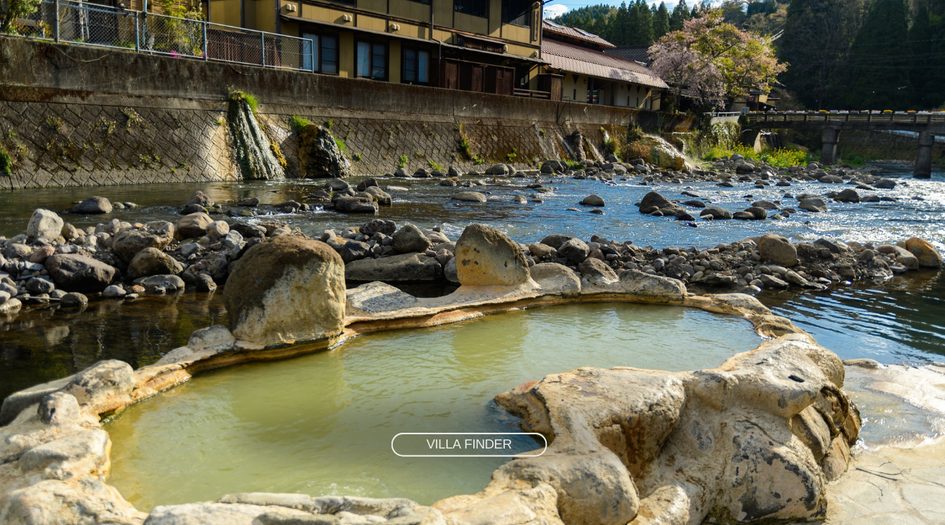
After hiking, biking, or even just being outside all day, the onsen becomes the best part of your evening. Hakuba has multiple thermal sources with mineral properties often associated with muscle recovery and skin-friendly effects—exactly the kind of reward that makes you wake up ready for another day.
Hakuba Highland Hotel (Tenjin no Yu)
This is widely regarded as the scenic winner. The outdoor bath overlooks the Northern Alps, and in summer the contrast hits perfectly: hot water, cool mountain air, and that deep exhale you didn’t realize you needed.
Happo no Yu
Happo no Yu is a high-alkaline spring in the village center, famous for skin-cleansing properties. It’s also close to free ashiyu footbaths, which are excellent if you want a quick recovery moment without committing to a full soak.
Obinata no Yu
This onsen sits away from the main village and is known as a more private-feeling option. It’s especially good for groups who want a calmer soak experience.
Mimizuku no Yu
Mimizuku no Yu is frequently mentioned when travelers talk about tattoo-friendly onsens in Hakuba, but policies can change, so checking at reception is always the safest move.
Onsen etiquette made easy (especially for first-timers):
- Wash thoroughly before entering the bath
- Keep the small towel out of the water
- Keep voices low—this is relaxation, not a pool party
- Tattoo rules vary; ask politely at reception or use waterproof covers for larger tattoos
Family note: some children love onsens, some get bored quickly. A good strategy is pairing a full onsen with a nearby ashiyu footbath on another day, so everyone gets the “Hakuba soak” experience in a way that suits their mood.
Hakuba Shopping Guide: Where to Go in The Summer
Hakuba shopping is a blend of international outdoor brands and charming local artisans. The main hubs are Happo Village and the station area, so it’s easy to combine shopping with café stops.
Snow Peak Land Station Hakuba
Designed by architect Kengo Kuma, Snow Peak Land Station is part flagship store, part architectural detour, part coffee-and-browse moment. It also houses dining and a Starbucks, and it’s a centerpiece of Hakuba’s glamping culture.
Local artisans and easy-to-love souvenirs
- Gaku Glass / Kira Kira Glass: glass-blowing workshops that turn souvenirs into memories
- Souvenir Shop Shirabaka (Hakuba Station): classic omiyage gift boxes, Nagano apples, and wasabi products
- Michi-no-Eki Hakuba: affordable local produce and handmade wooden crafts
If you want souvenirs that don’t collect dust, go for:
- Something edible (Nagano apple treats, local snacks, wasabi products)
- Something handmade (glasswork, woodcraft)
- Something useful (a quality layer you’ll wear again)
FAQs: Hakuba Summer Planning
Is Hakuba worth visiting in the summer if no one skis?
Yes. Summer Hakuba is built around hiking, lake activities, MTB, canyoning, paragliding, scenic terraces, and onsens. It feels like a highland sanctuary, especially if you’re escaping city heat.
Is Hakuba family-friendly in summer?
Very. Tsugaike Nature Park is ideal for easy alpine walking. Hakubounce is a strong rainy-day option, and the valley has plenty of gentle activities that suit mixed ages. It’s also easy to keep kids engaged with food stops that feel like mini adventures (Sakulala Sweets is a favorite).
What’s the easiest “big view” experience in Hakuba?
Iwatake Mountain Harbor is the easiest big-view win. It gives you high-impact scenery without committing to a full hike, plus café rewards right at the top.
What’s the best beginner hike with the biggest payoff?
Happo Pond is the classic. It’s moderate, clearly rewarding, and has that iconic reflection potential. Going early improves your odds of clear skies.
Can you see snow in Hakuba during summer?
Yes. Advanced hiking routes like Mount Shirouma involve permanent snowfields such as the Daisekkei, and Iwatake’s viewpoint can reveal snow features like the glacier-certified Karamatsuzawa snowfield in the distance.
What is Morgenrot, and where can you see it easily?
Morgenrot is the sunrise glow that turns the peaks pink-red. Oide Park is the most accessible place to watch it without hiking.
Are Hakuba onsens tattoo-friendly?
Some onsens are becoming more tattoo-friendly, and Mimizuku no Yu is often mentioned in tattoo conversations. Policies can change, so checking at reception is always best. Waterproof covers help for larger tattoos.
Do you need a car in Hakuba in summer?
A car makes lake visits and area-hopping easier, especially for families and longer stays. Without a car, it’s workable, but days can feel more constrained because summer shuttles can be infrequent.
Is it safe to drink the water in Hakuba?
Hakuba’s water is known for its purity, sourced from alpine snowmelt. The Himekawa headwaters are a famous place to see that water story up close.
Are there many English speakers in Hakuba during summer?
Yes. Hakuba remains international year-round, and English-speaking staff are common at rental shops, adventure providers, and many cafés and restaurants.
Are there wild animals in Hakuba?
Yes. You might spot kamoshika (Japanese serow), a protected national symbol, especially in quieter forest areas. Bears exist deeper in the mountains, but encounters are rare on main trails—sticking to popular routes and following local signage keeps things sensible.
Choose The Right Way to Spend Summer in Hakuba
If you’d like help making Hakuba feel even easier—choosing the right base area, arranging a kei car, booking guides with Evergreen, or locking in a family-friendly hakuba chalets setup—Villa Finder can support the planning details so your trip stays focused on the good bits: views, food, and that post-onsen glow.
Related Articles:
The Best Hakuba Chalets for Groups of 4-6 People
Hakuba Chalets with Shuttle Service: Stress-Free Skiing for Big Groups
Family Time Meets Powder Time: Best Chalets in Hakuba for Every Generation


Comments are closed.