
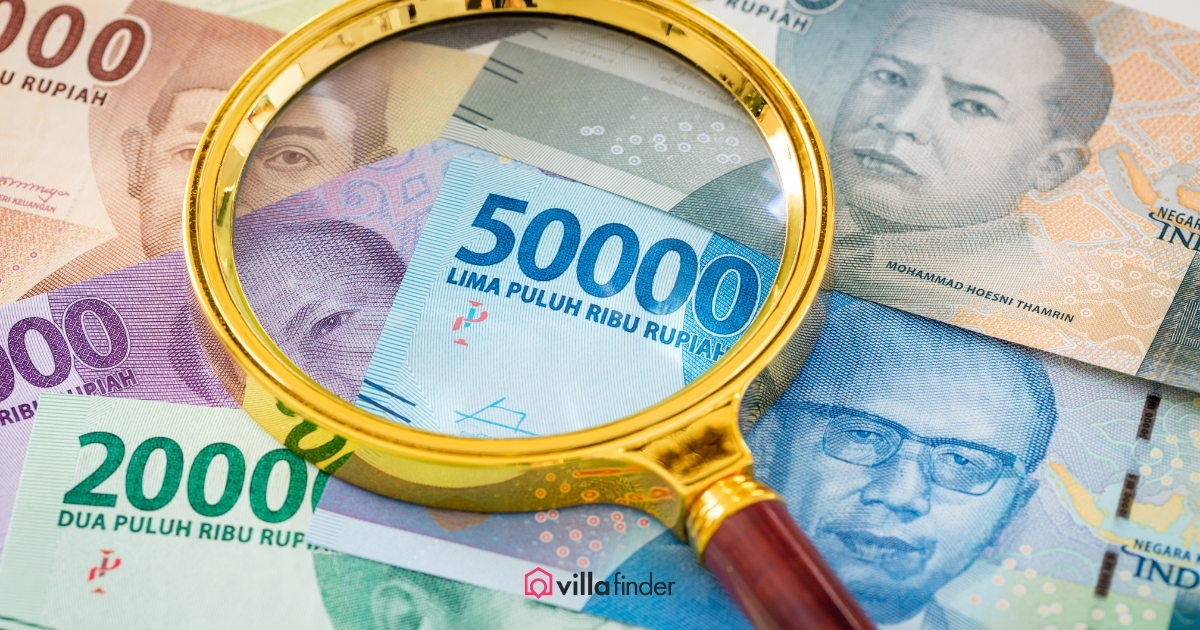
Understanding and Complying with Indonesia’s Currency Regulations: The Rupiah Rule.
Why This Matters?
Imagine this: you’ve just wrapped up a successful season renting your villa to overseas guests. Your bookings came through international channels, you collected payments in USD, and everything seemed smooth… until a warning letter arrives from Bank Indonesia.
You’re told you’ve violated currency laws, and now you’re facing steep fines or worse.
What went wrong?
This scenario isn’t rare. Many foreign and even local property owners operating in Bali, Lombok, or Jakarta are unaware of a fundamental but strictly enforced rule: you must price and transact everything in Indonesian Rupiah (IDR).
Let’s unpack what this law really means and how to stay compliant.
Why Does Indonesia Enforce This?
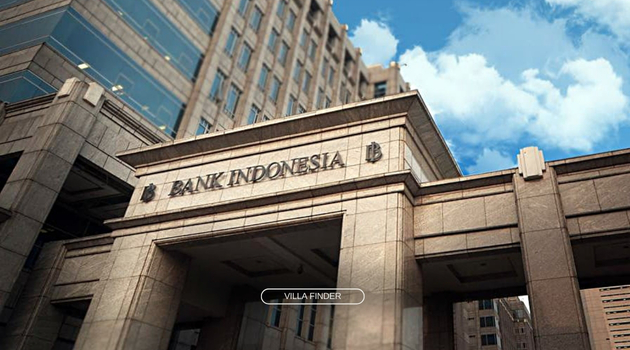
Since 2015, Bank Indonesia has enforced Regulation No. 17/3/PBI/2015 and its clarifying Circular Letter No. 17/11/DKSP to protect the strength and sovereignty of the national currency. (download the Bank Indonesia Regulation No. 17/3/PBI/2015)
The goal?
To ensure that all domestic transactions, especially in key sectors like real estate, use IDR to reduce dependence on foreign currencies and stabilize the local economy.
Why a 2015 Rule Still Matters in 2025
You might be thinking: “If this rule has been around since 2015, why should I care now?”
Here’s why it’s more relevant than ever in 2025:
1. Stricter Enforcement in Recent Years
Although the regulation has existed for a decade, enforcement has ramped up, especially in the tourism and property sectors. Villa rentals are under closer watch, and owners are now more likely to receive warnings or fines than in the past.
2. Greater Digital Visibility = Greater Risk
With most listings now online from Airbnb and Booking.com to Instagram and private websites, it’s much easier for authorities to monitor how villas are marketed. Quoting in USD, AUD, or EUR is no longer under the radar.
3. Indonesia’s Push for Financial Transparency
The country is improving its financial and tax systems, and that includes currency tracking. With more advanced monitoring tools and cross-agency coordination, owners who bypass IDR requirements may also face tax scrutiny.
4. Many New Owners Still Don’t Know
The post-COVID investment boom has brought a new wave of villa owners. Many are unaware that using foreign currencies in advertising or transactions is illegal. This article might be the first time you’re hearing it, and that’s okay. But now that you know, it’s critical to act.
5. Avoiding Reputational & Operational Risk
Non-compliance doesn’t just carry legal and financial risks; it could affect your relationship with banks, payment processors, and even OTAs. Compliance shows professionalism and protects your long-term business.
Related Articles: Villa Management in Bali? Don’t Decide Before Reading This Guide
6 Key Rules You Can’t Afford to Ignore
1. Price Everything in IDR Everywhere
Whether you’re listing your villa on Airbnb, running your own website, or replying to a WhatsApp inquiry, the only currency that can be used in advertising, quoting, or invoicing is IDR.
Even internal documents (like revenue forecasts or price-setting sheets) must use IDR as the base currency. Using USD or AUD in your internal tools and converting to IDR later is considered a regulatory grey area, and it could still land you in trouble.
2. Get Paid in IDR – No Exceptions
Regardless of whether your guest is from London, Melbourne, or Singapore, the transaction must be settled in IDR, either via local bank transfer or payment gateways that settle into an Indonesian account in Rupiah.
What if your guest insists on paying in USD?
You’ll need to:
- Use a payment processor that converts it to IDR before it reaches you, and
- Clearly indicate to the guest that their payment is in IDR, not USD.
3. Using Currency Converters? Be Careful

Currency converters can be helpful, but they must be implemented correctly:
- The official and primary price must be IDR
- All converted prices should be labeled as “for reference only”, ideally in a smaller font or with a disclaimer.
Bad practice: Showing USD prominently with IDR in fine print.
Good practice: IDR as the main price, with USD below as a soft reference.
4. Crypto Isn’t Legal Tender
Bitcoin, Ethereum, and USDT are not allowed for real estate payments in Indonesia.
Indonesia doesn’t recognize cryptocurrency as a legal form of payment, and using it can open a whole new legal issue, separate from the IDR rules. Don’t try to be clever here. Stick to Rupiah.
5. “International Transactions” Don’t Cover You
Many owners wrongly assume that renting to foreign tourists is classified as an “international trade activity.” It’s not.
If the property is located within Indonesia, the transaction is domestic full stop.
Even if:
- Your client pays from overseas
- You advertise on a foreign site.
- You hold a foreign passport.
The rule still applies.
6. Overseas Properties Are Exempt
If you own properties in other countries, you’re free to transact in their local currencies. The Rupiah rule only apply to villas or rentals physically located in Indonesia.
So, if you’re managing a regional portfolio, let’s say one villa in Bali, one in Thailand, and another in Spain, only the Indonesian property must adhere to these rules.
Related Articles: Is It Too Late to Invest in Bali in 2025?
Consequences of Non-Compliance
Let’s be clear: this isn’t a symbolic regulation. Bank Indonesia has investigated and penalized both individuals and companies for violating it.
You may face:
- Written warnings
- Financial penalties up to IDR 1 billion (or 1% of transaction value for non-cash infractions)
- Criminal charges, including up to 1 year in jail or fines of IDR 200 million for refusing IDR in cash payments
- Suspension from Indonesia’s payment systems
- Revocation of business licenses if the violations are persistent or intentional
Real-World Questions from Owners
“Can I price in USD online if I convert at payment?”
No. Even your displayed pricing must be IDR.
“What if I use a Singapore-based payment gateway?”
The payment must settle into an Indonesian account in IDR. Foreign gateways that don’t support IDR settlement are risky.
“Can I use dual pricing IDR and USD side by side?”
No. Dual pricing is explicitly not allowed.
What You Should Do Now
- Audit all your listings, ads, and websites to ensure IDR is the only pricing displayed.
- Check your payment workflows; are you receiving funds in IDR, or do you need to adjust your processor?
- Train your team; make sure everyone, from your sales team to your property manager, understands how to communicate prices legally.
- Stay updated; regulations may evolve, and enforcement may tighten.
Final Thoughts
Indonesia offers incredible opportunities for villa owners – but with opportunity comes responsibility. Ignoring the Rupiah rule can cost you far more than you earn in a single season.
By staying compliant, you’re not just avoiding penalties; you’re showing professionalism, respect for the local system, and long-term business maturity.
When in doubt about the Rupiah rule, consult a legal expert or reach out to Bank Indonesia for clarity. It’s always better to ask than to assume.
? Updated as of July 2025. For the latest regulatory updates, consult with legal counsel or visit the official Bank Indonesia website.
Want more updates like this?
Navigating local financial laws is part of our comprehensive villa management service in Bali. Subscribe to our newsletter for expert insights on villa investment, rental compliance, and Bali market trends straight to your inbox.





Comments are closed.