
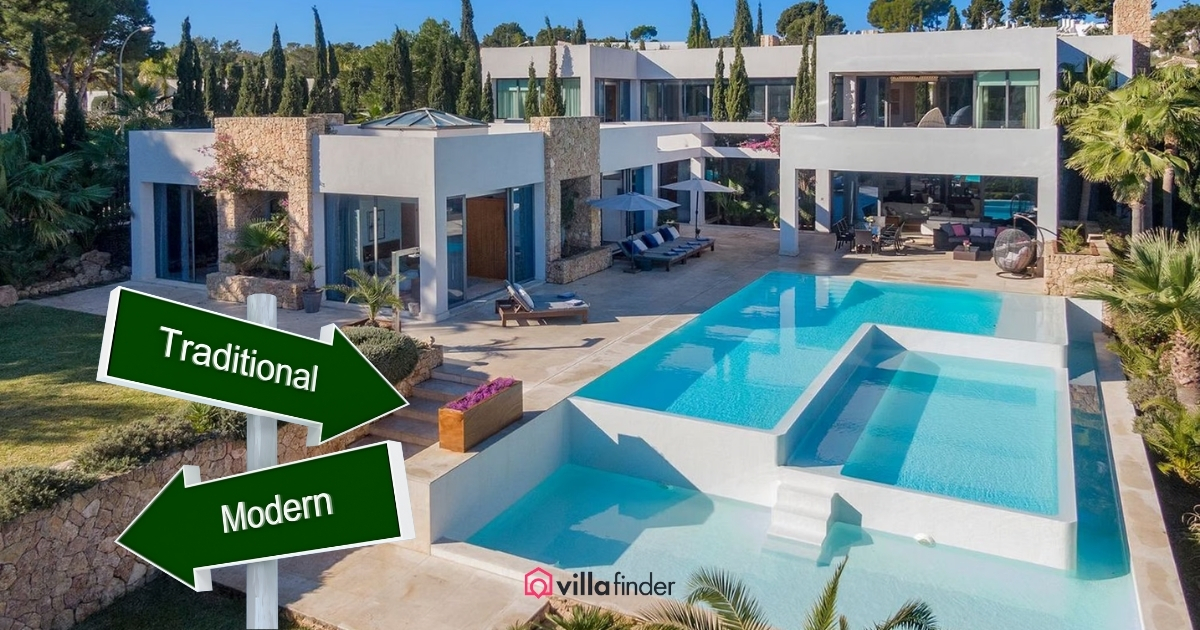
In the world of sustainable living, especially in hospitality and tourism, one question of honouring traditional and modern sustainability often comes up:
Should we stick to traditional, time-honoured eco-friendly practices, or embrace modern green technology to reduce our environmental impact?
If you are a villa owner in Bali or other tropical destinations, you might feel caught between preserving local culture and adopting new innovations.
The truth is, you don’t have to choose.
Sustainability doesn’t have to be an “either-or” decision. In fact, the most successful and impactful approaches are those that combine the best of both worlds.
Traditional practices like using natural materials, passive cooling, or sourcing from local producers have supported low-impact living for generations. Meanwhile, smart technology from solar panels to water-saving sensors offers another approach, such as precision and scalability that today’s climate challenges demand.
Together, they form a powerful duo: one rooted in heritage, the other driven by innovation.
In this article, we’ll explore how you can make your villa more eco-friendly by blending traditional wisdom with cutting-edge technology and why this integrated approach is not just more sustainable, but also more appealing to today’s eco-conscious travelers.
Traditional Sustainability: The Roots of Eco-Friendly Living
Long before “sustainability” became a buzzword, communities around the world were already living in harmony with nature. These practices are not only environmentally responsible but also deeply rooted in culture and local wisdom.
Some examples of traditional sustainable practices include:
- Natural Ventilation & Architecture: Traditional homes in Bali, Java, or Thailand were designed with open-air layouts and shaded verandas. This allows spaces to cool naturally without the need for air conditioning.
- Local Building Materials: Using bamboo, teak, or adobe helps reduce transportation emissions and supports the local economy. By choosing these locally sourced materials, villa owners contribute to reducing carbon footprints while preserving cultural heritage and craftsmanship.
- Zero-Waste Habits: From using banana leaves and coconut shells instead of plastic to cooking with every part of the plant, many cultures have long embraced waste-free living.
- Slow Food and Seasonal Eating: In the past, communities cooked using fresh, seasonal, and locally sourced ingredients. All harvested from their gardens. This practice minimized transportation emissions, avoided processed foods, and supported local farmers and biodiversity. All while also promoting self-sufficiency and connecting daily life with nature.
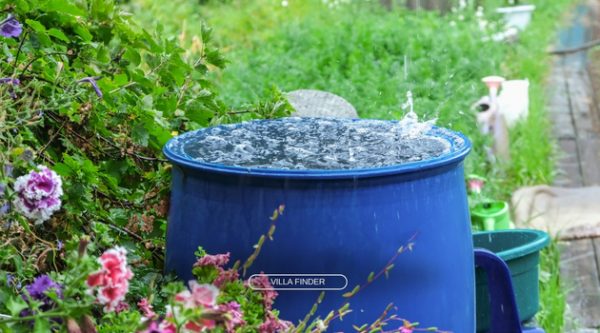
- Rainwater Harvesting: In many communities, collecting rainwater in clay or stone jars has been a long-standing method for water conservation. This practice not only reduces dependence on groundwater but also provides a sustainable source of water. Especially for daily use during the dry season.
Why it matters: These approaches are low-cost, low-impact, and often community-based. They’re perfect for villa owners who want to keep things simple, authentic, and sustainable. Furthermore, for detailed information, you can visit or search for Vernacular architecture.
Modern Sustainability: Tech That Makes a Difference
While traditional sustainability methods have stood the test of time and continue to offer valuable lessons, the scale and urgency of today’s environmental challenges call for more advanced, precise, and scalable solutions.
Issues like climate change, resource scarcity, and increasing tourist demands require us to go beyond what has worked in the past.
This is where modern technology plays a crucial role.
Here’s how modern technology supports sustainable practices in villas:
- Energy-Efficient Appliances: Use appliances designed to consume less electricity and water, such as inverter air conditioners and low-flow showerheads.
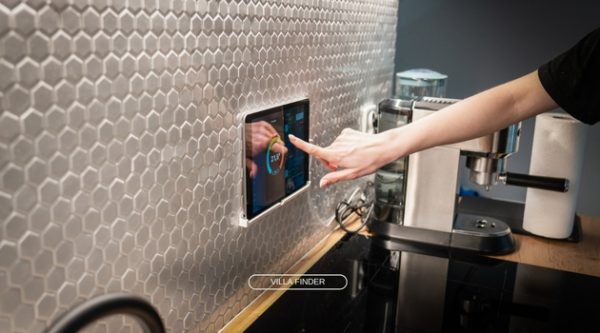
- Smart Home Systems: Automate lighting, AC, and energy usage based on occupancy, reducing waste and saving on utility bills.
- Solar Panels: Generate clean, renewable energy, especially in sunny locations like tropical areas
- Water Monitoring Tools: Detects leaks and optimize water use in real-time, reducing consumption without compromising comfort.
- Composting Devices: Turn kitchen waste into garden fertilizer quickly and cleanly with no smell, no mess.
Why it matters: Technology helps you measure your impact, optimize operations, and deliver a better experience for eco-conscious guests.
For further information, you can visit or search for the implementation of the Internet of Things (IoT) in sustainable building or smart home automation.
The Winning Formula: Tradition + Technology
The best sustainability practices don’t choose sides. They integrate tradition and innovation:
- Use local materials and craftsmanship to build or renovate your villa, but power it with solar energy. When paired, you create a structure that is both culturally grounded and energy-efficient.
- The same balance applies to your kitchen. Start to maintain a zero-waste kitchen by managing waste collection with smart bins and digital tracking.
- This philosophy continues into the villa’s design. Classic open-air layouts and shaded verandas support natural airflow, but install smart thermostats to further reduce energy consumption.
This hybrid approach ensures your villa is not only eco-friendly but also efficient, comfortable, and appealing to modern travelers who value sustainability. It creates a stay that feels authentic and rooted in local culture, yet equipped with the conveniences and intelligence that today’s guests expect.
Don’t need to be overwhelmed to find the relevant vendors for blending traditional and modern sustainability; we compiled them for you.
Why This Matters for Villa Owners
Travelers today, especially Millennials and Gen Z, are actively seeking eco-friendly accommodations. Properties that show a clear commitment to sustainability stand out in the market, earn better reviews, and can even charge premium rates.
They’re researching where their money goes. Travelers today looking for transparency in operations, and sharing their experiences widely on platforms like Instagram, TikTok, and TripAdvisor.
This proves that sustainability isn’t just ethical: it’s also a powerful marketing advantage.
By combining traditional sustainability practices with modern technology, villa owners can:
- Reduce energy and water costs.
- Minimize their carbon footprint.
- Attract eco-conscious guests.
- Future-proof their property against regulation and climate risks.
In short, this integrated approach doesn’t just make your villa greener. But also more resilient, more marketable, and more aligned with the values of the next generation of travelers.
Conclusion
Sustainability isn’t about choosing between the old and the new; it’s about finding balance.
Villa owners who mix traditional techniques with modern sustainability technologies are not only preserving cultural identity but also leading the way toward a more responsible and resilient tourism industry.
Ready to Make Your Villa More Sustainable?
Our Sustainability Coordinator can guide you for free in blending cultural practices with smart, eco-friendly upgrades. Contact us, and we will provide you with free support.





Comments are closed.