
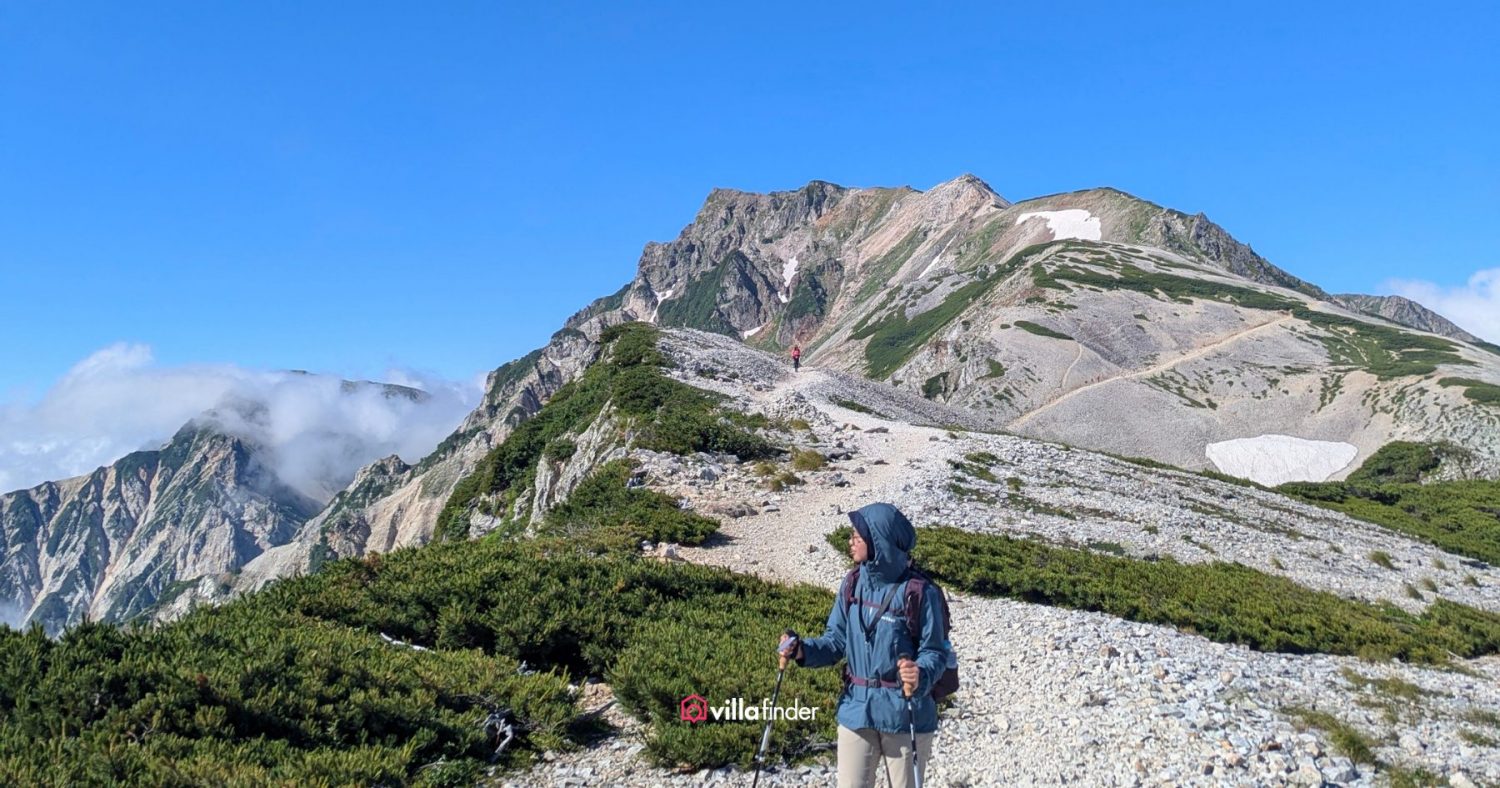
Hakuba has a funny way of making your ski plans bigger once you arrive. You may book the holiday picturing Happo-One, lively Echoland dinners and a few familiar gondolas. Then someone mentions Hakuba Iwatake. Another person starts talking about Tsugaike. The powder-obsessed friend has already checked Cortina’s forecast before breakfast.
That curiosity is worth following.
North of Hakuba’s busier central areas, the valley starts changing personality. Hakuba Iwatake brings panoramic skiing, mountain cafés and an old-village feel. Tsugaike somehow makes complete beginners and serious powder skiers happy on the same mountain. Farther north, Cortina and neighbouring Norikura swap Hakuba’s social buzz for deep snow, forests and early nights.
The trick is not choosing the “best” resort. It is choosing the resort that fits the people standing beside you in ski boots.
Here is how to explore northern Hakuba without turning the trip into a daily logistics meeting.
Why Should You Explore Northern Hakuba?
Hakuba Valley contains ten ski resorts, but they do not feel like ten versions of the same mountain. That becomes particularly obvious once you leave the familiar Happo-One and Echoland orbit and head north.
Hakuba Iwatake, Tsugaike and Cortina each offer a different reason to make that journey. Iwatake feels scenic and lifestyle-led. Tsugaike is enormous and surprisingly versatile. Cortina, linked with Hakuba Norikura, strips the experience back to snow, trees, onsen and getting up early enough to do it again.
That variety is useful on a longer Hakuba holiday. Instead of repeating the same routine every morning, you can match your destination to the snow conditions, energy levels and plans for the rest of the day.
There is also more beyond skiing than the piste map suggests. Iwatake has heritage village streets and mountain cafés. Tsugaike has an established base village built around easy slope access. Cortina practically operates as a self-contained snow retreat around Hotel Green Plaza Hakuba.
Hakuba Iwatake vs Tsugaike vs Cortina at a glance
| Hakuba Iwatake | Tsugaike | Cortina & Norikura | |
| Overall feel | Scenic, relaxed, lifestyle-oriented | Large, practical, versatile | Remote, snow-focused |
| Terrain highlight | Panoramic cruisers and natural terrain | Huge gentle slopes plus advanced DBD areas | Powder, steep trees and connected Norikura |
| Non-ski experience | Strongest of the three | Decent snow-play options | Mostly resort-based |
| Food scene | Mountain cafés plus interesting village dining | Convenient slope and base dining | Hotel Green Plaza dominates |
| Biggest advantage | Easy to enjoy even when skiing is not the whole day | Different abilities can enjoy the same resort | A proper powder-day destination |
| Watch out for | Lower elevation than Tsugaike | EVE Gondola queues | Longer journey and fewer surrounding amenities |
Northern Hakuba is worth considering because the three resorts solve different holiday problems. You gain more variety without needing to leave Hakuba Valley or turn the trip into an expedition.
What Is Hakuba Iwatake Like?
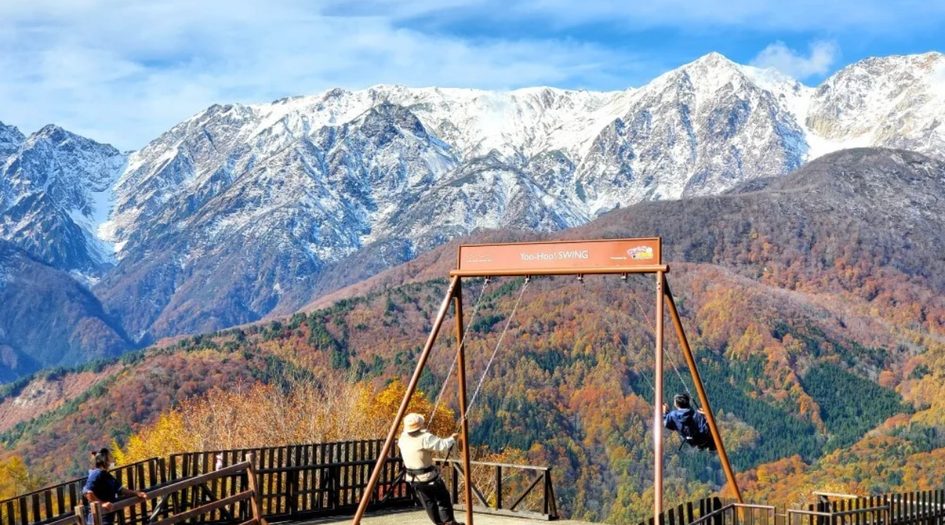
Hakuba Iwatake is the most rounded northern Hakuba experience. The skiing matters, but the scenery, food and atmosphere are large parts of the appeal too.
Iwatake is unusual geographically. Its 1,289-metre summit sits independently of the higher alpine ridges surrounding Hakuba, opening up 360-degree views across the Northern Japan Alps. That is why this mountain feels so panoramic even before you make your first turn.
What can you expect on the mountain?
The terrain leans heavily towards intermediate skiing, with plenty of scenic cruisers and natural features. The resort is divided broadly between its Mountain Side and Village Side, and the Noah Gondola takes you directly into the upper-mountain network.
Stronger skiers can explore ungroomed terrain including the Iwatake Back Bowl, while the mountain’s freestyle areas add another option when cruising starts feeling a little too civilised.
Its real advantage, though, is that people who do not want to ski all day still have somewhere worth being.
HAKUBA MOUNTAIN HARBOR sits at the summit with uninterrupted alpine views and The City Bakery next door. A non-skier can buy a sightseeing ticket, ride up for lunch and meet the rest of the group without spending the day beside a locker.
For the 2026–27 winter season, the standard Iwatake adult lift ticket is ¥7,500, with an early-bird ticket currently advertised at ¥5,700. Sightseeing access is also available separately.
Is the Iwatake area worth exploring after skiing?
Yes—and this is where Iwatake becomes more than a resort recommendation.
Shinden village is known for restored kominka, traditional Japanese farmhouses with massive timber structures. The architecture gives this corner of Hakuba a distinctly local character, especially compared with the more international atmosphere around central Hakuba.
Food is another reason not to rush home. The research highlights Shoya Maruhachi, set inside a restored historic house and known for charcoal-grilled Shinshu produce. Hakuba Brew Pub gives you something more casual, while MomoChan Crepes handles the post-ski sugar requirement admirably.
If convenience matters more than budget, HAKUBA S-CLASS adds priority gondola access, lounge facilities, refreshments and other premium extras. For 2026–27, lift-inclusive adult passes are ¥16,000 on weekdays and ¥17,000 on designated peak dates.
Iwatake insider tip: put it high on the list for a clear day. Those wide-open mountain views are part of the experience, so using Iwatake during a complete whiteout rather misses the point.
What Makes Tsugaike Mountain Resort Different?
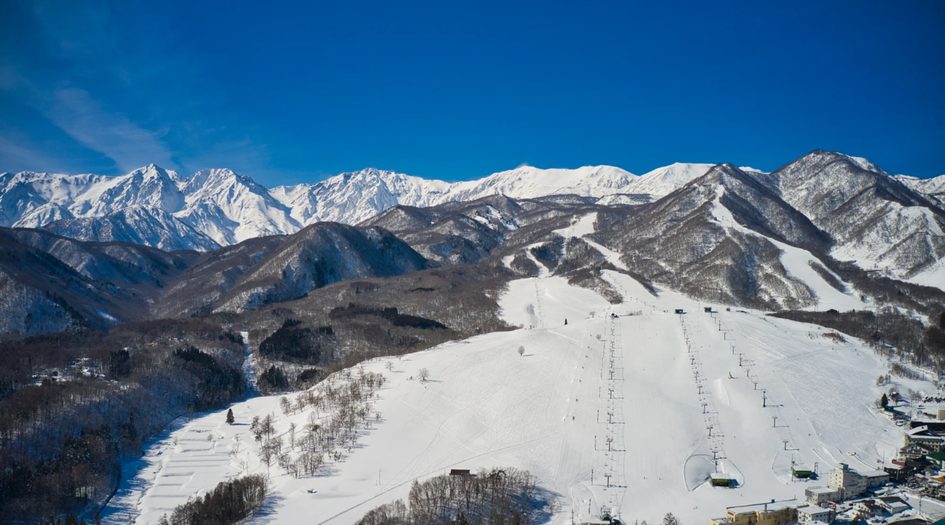
Tsugaike is the northern mountain with two personalities. Down low, it is remarkably gentle. Higher up, it gets considerably more serious.
Its famous Kane-no-naru-oka slope is around 1,200 metres wide, giving new skiers much more room to learn without feeling trapped between faster riders. Once confidence improves, long progression routes let you explore more of the mountain instead of spending the whole week beside the same beginner lift.
This matters when several people are sharing one holiday. Nobody needs to choose between “everyone stays on the nursery slope” and “the beginner gets abandoned after breakfast.”
Kids also have access to snow-play areas, while English-language ski instruction is available. Higher up, Tsugaike changes gear with the TSUGA POW Double Black Diamond areas, designated terrain for experienced powder riders.
Current access procedures involve reviewing the resort’s required safety information, completing the agreement and obtaining the relevant armband. Conditions and patrol decisions determine when those areas open.
What is Tsugaike village like?
Tsugaike’s base is practical rather than polished—and that is not a criticism.
Restaurants, rental facilities and accommodation cluster near the slopes. Places such as Tsuga Base and Cowbell are geared towards getting everyone fed without making lunch another major event. Traditional lodges and resort hotels also make slope access simple.
The compromise comes in the morning. The EVE Gondola is the main gateway into the upper mountain, so bluebird and powder days can produce queues. Arriving early here actually matters.
Ticket choice can also save money. The 2026–27 adult day ticket is ¥9,800, while the limited beginner-area ticket is ¥5,900. Anyone spending the day learning on the lower mountain may not need the full ticket yet. The resort has also confirmed that night skiing will not operate in 2026–27.
Tsugaike insider tip: use the mountain’s size to your advantage. Different skill levels can split up for a few hours and regroup at the base, instead of trying to force everyone onto identical runs all day.
What Should You Expect at Hakuba Cortina and Norikura?
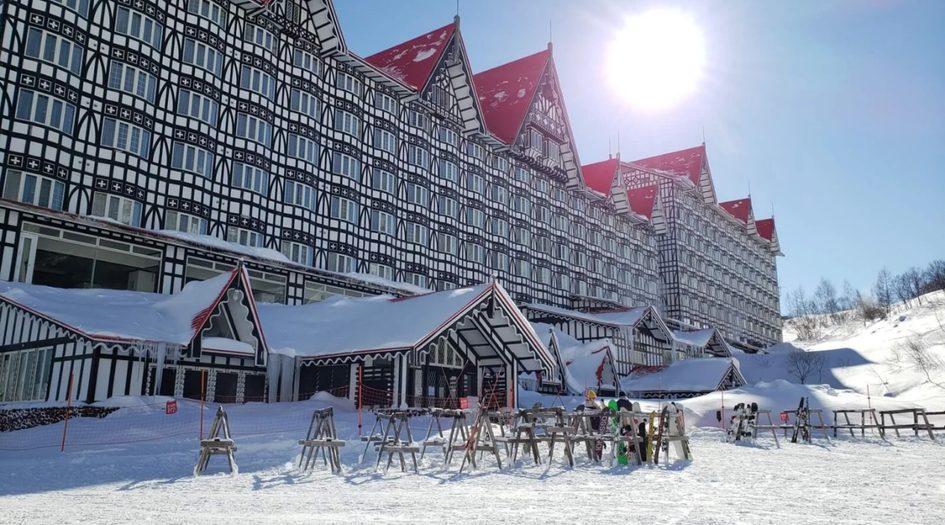
Cortina is the northern choice when the snow itself is the event.
Its position at the far end of Hakuba Valley has helped build a reputation for deep powder, while the mountain’s bowl-shaped layout and steep tree terrain attract experienced skiers after storms. The official resort currently lists 16 courses, with beginner terrain available alongside its more famous advanced zones.
Yet Cortina makes more sense once you stop looking at it alone.
Why should you include Hakuba Norikura?
Cortina connects directly with Hakuba Norikura Onsen Snow Resort, and the two operate under one joint lift ticket.
This becomes extremely useful after fresh snowfall. Cortina’s best-known terrain attracts a predictable morning rush, particularly around its upper lifts. Once those lines grow or the obvious snow becomes tracked, crossing into Norikura opens quieter glades and broader intermediate runs.
For 2026–27, the combined adult day pass is ¥6,500 and covers 30 courses across both ski areas. Buying online is currently advertised at ¥6,100.
What is there around Cortina after skiing?
Do not arrive expecting an Echoland-style village.
The enormous, red-roofed Hotel Green Plaza Hakuba anchors the base. Restaurants, shops and an onsen sit within the complex, and much of the ski area funnels back towards it. That creates a wonderfully easy rhythm: ski, eat, soak, sleep.
It also means limited nightlife and fewer reasons to wander around after dinner.
Cortina is therefore best treated as a purposeful northern excursion unless you actively want that secluded resort atmosphere.
Cortina insider tip: check the return transport before you start skiing. It sits much farther north than Iwatake, and shuttle flexibility is more limited. Missing the bus after an exhausting powder day is not the grand finale anyone ordered.
How Easy Is It to Visit Northern Hakuba?
You do not need to move accommodation every time you change resort.
Using Happo-One as a rough reference point, the approximate winter road distances are:
- Hakuba Iwatake: about 4.3 km
- Tsugaike: about 8.6 km
- Hakuba Cortina: about 16.5 km
Those distances sound small, but snow, shuttle schedules and ski equipment make a ten-kilometre journey feel very different on holiday.
Hakuba Valley shuttle routes serve Iwatake, Tsugaike, Norikura and Cortina. The important detail is capacity: the official operator warns that buses can fill during heavy snowfall periods and late-afternoon services can become particularly crowded.
A central chalet keeps restaurants and several resorts within reach. Staying closer to Iwatake reduces the friction of northern ski days while keeping central Hakuba nearby. Resort-side accommodation at Tsugaike or Cortina makes sense when easy lift access matters more than nightlife.
Which lift pass makes sense?
Now, 2026–27 adult day-ticket pricing is:
| Pass | Adult price |
| Hakuba Iwatake | ¥7,500 |
| Tsugaike | ¥9,800 |
| Tsugaike beginner area | ¥5,900 |
| Cortina + Norikura | ¥6,500 |
| Hakuba Valley All-Mountain | ¥11,100 |
The Hakuba Valley All-Mountain Pass covers all ten resorts and includes valley shuttle access on valid ski days. It makes sense when flexibility is important; individual mountain passes may be better value when the plan is already fixed.
Northern Hakuba is easy to add to a wider Hakuba holiday, but spontaneous transport works better when somebody has checked the timetable first. A flexible base plus pre-planned ski-day logistics is usually the sweet spot.
What Should You Know About Safety and Local Etiquette?
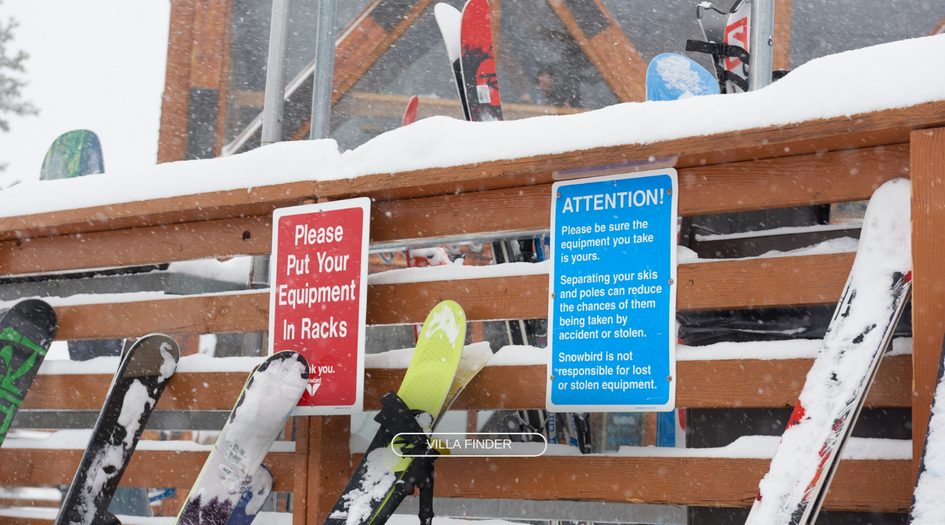
Hakuba’s powder reputation can make uncontrolled terrain look deceptively inviting.
Resort boundaries still matter. Anyone entering genuine backcountry terrain needs appropriate avalanche knowledge and equipment, including a beacon, probe and shovel, plus current avalanche information. The research also strongly warns against ducking ropes or entering closed areas.
For an easier holiday, remember:
- follow each resort’s gate and boundary rules;
- check lift and weather conditions before leaving your chalet;
- never assume tree terrain is automatically controlled;
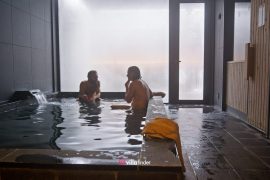
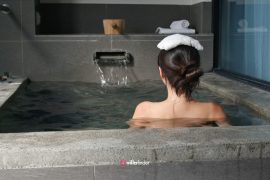
- learn the onsen routine before your first soak: wash first, enter without swimwear and check the facility’s tattoo policy;
- reserve important dinners rather than relying entirely on walk-ins.
Hakuba Village also introduced updated manners rules in July 2026 covering late-night noise, road skiing, unsafe winter driving, public-road drinking, smoking and unauthorised parking. Tsugaike and Cortina sit in neighbouring Otari Village, so local rules should always be checked for the area you are visiting.
FAQs About Hakuba Iwatake, Tsugaike and Cortina
Is Hakuba Iwatake worth visiting?
Yes. Hakuba Iwatake offers one of northern Hakuba’s most complete days because skiing, panoramic sightseeing, cafés and village dining all work together. It is particularly worth prioritising during clear weather.
Is Hakuba Iwatake good for beginners?
It has beginner terrain, although complete first-timers may find Tsugaike’s enormous lower slopes more comfortable. Iwatake becomes particularly enjoyable once you can confidently turn and stop.
Which is better: Hakuba Iwatake or Tsugaike?
Choose Iwatake for scenery, intermediate cruising and a stronger non-ski experience. Tsugaike makes more sense when gentle learning terrain, long progression runs and greater vertical are priorities.
Is Tsugaike good if some people are advanced skiers?
Very much so. Its lower mountain is famously beginner-friendly, while the upper mountain contains more demanding terrain and regulated TSUGA POW DBD areas.
Can you ski between Cortina and Norikura?
Yes. Hakuba Cortina and Hakuba Norikura are interconnected and use a joint lift pass. Iwatake and Tsugaike are separate resorts, so reaching them requires road transport.
Do you need a car for northern Hakuba?
No. Shuttle buses cover the northern resorts, although a car gives greater flexibility if your driver is confident in winter conditions. Bus users should pay particular attention to the final return services.
Which northern Hakuba resort has the best food and things to do off the slopes?
Hakuba Iwatake has the strongest all-round mix. Mountain Harbor, The City Bakery, village restaurants and nearby heritage areas give it more to offer when somebody wants a break from skiing.
Is Cortina only for advanced skiers?
No. Cortina has beginner and family terrain as well, including kids’ facilities. Its biggest point of difference, however, remains powder and more challenging skiing, so other resorts may offer better value when most of the group is still learning.
Which Northern Hakuba Area Should You Visit?
Here is the reassuring answer: there is no wrong northern Hakuba—only a badly matched day.
Hakuba Iwatake shines when you want scenery, skiing and a little lifestyle mixed together. Tsugaike gives you space and enough variety to keep a group moving comfortably. Cortina and Norikura reward the days when fresh snow becomes the main item on the agenda.
That is also why these mountains are worth adding to a Hakuba holiday in the first place. You are not travelling north just to tick off another resort name. You are getting three noticeably different versions of Hakuba within the same valley.
And the trip does not need to become a spreadsheet exercise. Villa Finder can help you choose a Hakuba chalet that makes sense for the resorts you want to explore, then assist with practical arrangements including transfers, ski gear, lessons, lift passes and dining plans. Once those details are taken care of, the hardest morning decision can go back to where it belongs: Iwatake, Tsugaike or Cortina today?
Related Articles:
Best Hakuba Onsen: Public Baths, Private Onsens & Etiquette
Where to Stay in Hakuba: The Right Village for Your Ski Trip
Japan Lift Pass Guide: How to Ski in Hakuba & Niseko Without the Ticket Stress



Comments are closed.