
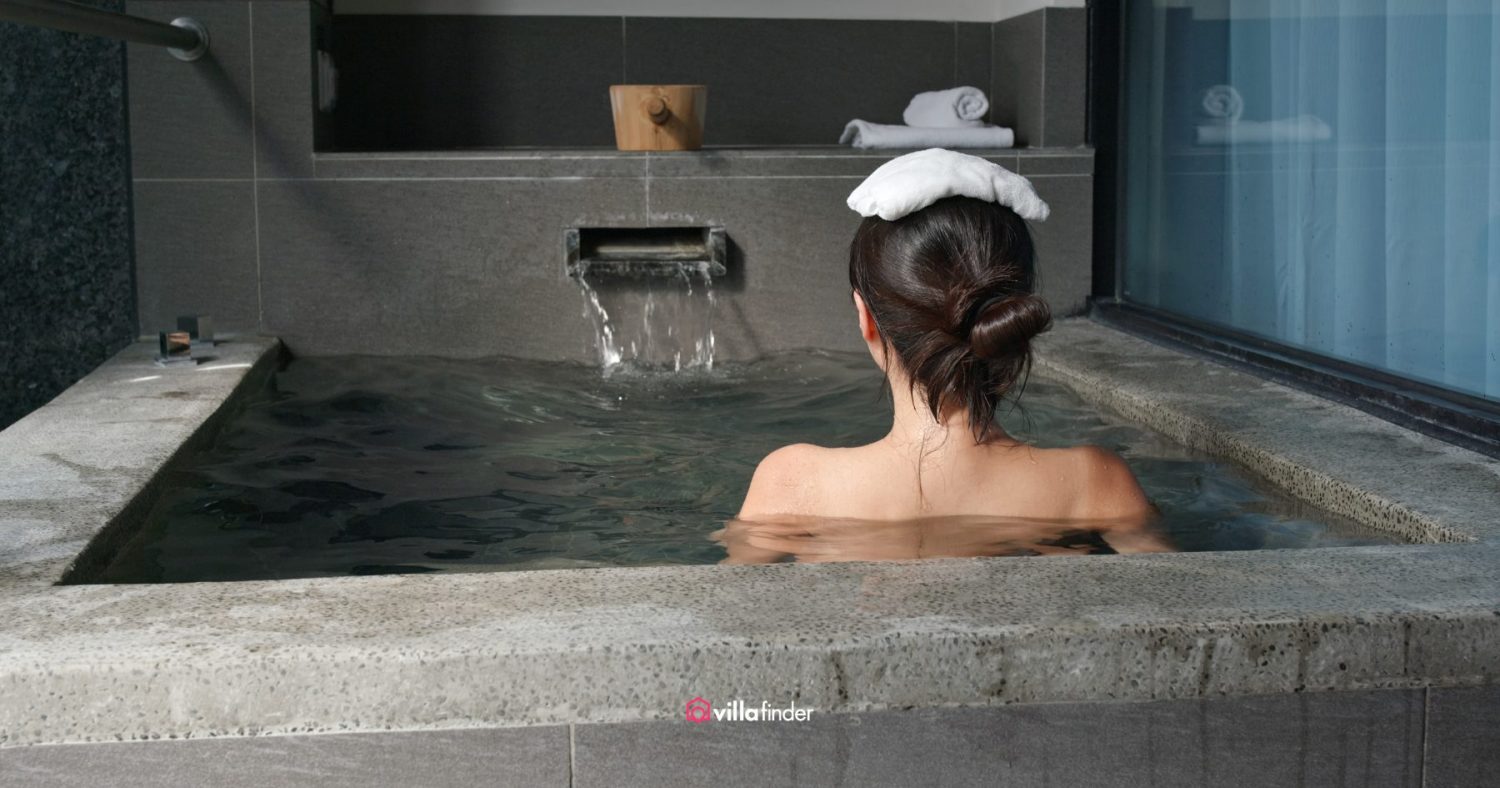
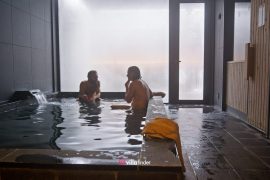
A Hakuba onsen might be the closest thing Japan has invented to an undo button for ski legs. One minute, you are wondering why you agreed to “just one more run”. The next, you are sitting in steaming water with the Japanese Alps outside.
And no, you do not need to book an onsen hotel to experience it.
Hakuba has public hot springs that welcome day visitors, hotel onsens with drop-in bathing, seasonal outdoor baths and private options for travellers who would rather skip communal bathing altogether. Several sit close enough to Hakuba’s main ski and village areas to make an onsen stop an easy part of the day.
The tricky part is choosing one. Some are convenient after skiing, some are worth visiting for the mountain views alone, and others have a much more traditional, no-frills atmosphere. We will walk you through that!
What Types of Onsen Can You Find in Hakuba?
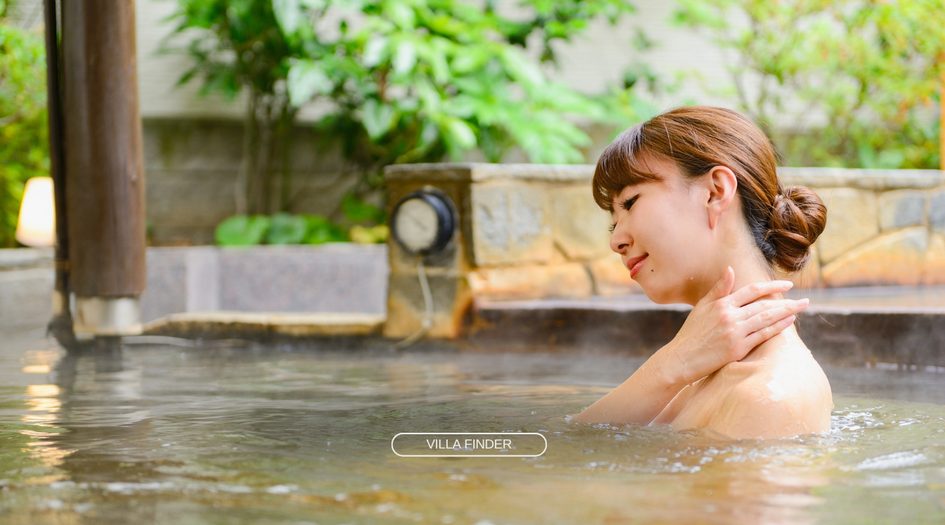
You will come across several kinds of bathing experiences in Hakuba, and knowing the difference makes choosing one considerably easier.
Public day-use onsen
These are the simplest option if you just want to experience a Japanese hot spring.
You pay an admission fee, change in the appropriate male or female changing room, wash before entering and use the communal baths. Most traditional onsen bathing is done nude rather than in swimwear.
Hakuba Happo Onsen alone operates four public bathing facilities: Happo-no-Yu, Mimizuku-no-Yu, Obinata-no-Yu and Sato-no-Yu.
Outdoor onsen or rotenburo
A rotenburo is an outdoor bath.
In Hakuba, this is the version that tends to produce the holiday photos you remember — although naturally the camera needs to stay outside the bathing area.
Several Hakuba onsens combine indoor baths with open-air bathing and mountain views. Happo-no-Yu, Mimizuku and Tenjin-no-Yu are good examples.
Hotel and ryokan onsen
Some hotels and traditional inns have their own natural hot-spring baths.
Access varies. Some are for staying guests only, while others permit day visitors during set hours. JNTO notes that day-use bathing is common at many Japanese onsen accommodations, although individual policies always need checking.
Tenjin-no-Yu at Hakuba Highland Hotel, for example, currently offers day-use bathing as well as separate hours for hotel guests.
Private onsen
A private or kashikiri bath is reserved for your party rather than shared with strangers.
Hakuba Highland Hotel, for example, has a reservable private bath for staying guests, currently offered in 50-minute sessions.
Another option is choosing accommodation with its own private onsen or bathing facilities. Villa Finder has a dedicated Hakuba Onsen chalet collection, which is useful if post-ski soaking is high on your accommodation wish list.
What Are the Best Public Onsens in Hakuba?
There is no single “best Hakuba onsen” because the experience changes considerably between facilities.
If this is your first visit, Happo-no-Yu is an easy all-rounder. If mountain scenery is the priority, Mimizuku or Tenjin-no-Yu should be high on your list. Or, if you want something more old-school, Kurashita-no-Yu feels completely different again.
Here are the options we’d shortlist.
1. Happo-no-Yu: Best Hakuba Onsen for First-Time Visitors
Best for: First-timers, convenience and an easy post-ski soak
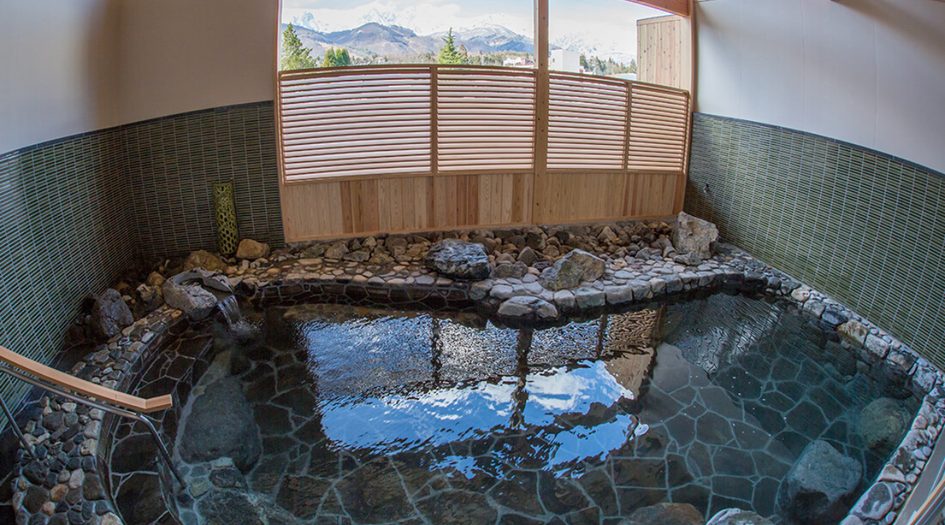
Happo-no-Yu is probably the easiest introduction to Hakuba onsen culture.
It is the largest public bath in the Hakuba Happo Onsen group and sits at the entrance to Happo Onsen Town. The facility has an open-air bath with views toward the surrounding Hakuba mountains.
It is also extremely practical if Happo-One is already part of your day.
The onsen is about a 10-minute walk from the Happo-One gondola area and roughly five minutes by car from Hakuba Station.
At the time of this article is published, the prices are:
- Adults: ¥1,000
- Elementary-school children: ¥600
- Children aged 3 to preschool: ¥400
- Hours: 10:00–21:00, with last entry at 20:30
- Regular closing day: None listed
Body soap, shampoo, conditioner and hair dryers are provided, while towels can be purchased or rented.
That makes Happo-no-Yu particularly useful when your post-ski planning consists mostly of “we are cold, tired and would like hot water immediately.”
Why our Villa Finder team would choose it: It combines location, straightforward facilities and mountain views without requiring much extra planning.
2. Mimizuku-no-Yu: Best for Hakuba Mountain Views
Best for: Alpine views and travellers staying near Hakuba Station
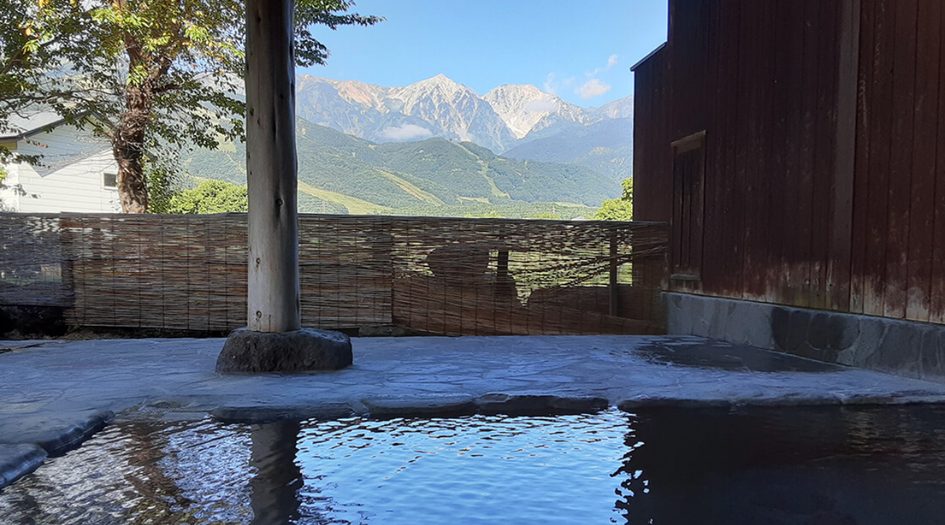
Mimizuku-no-Yu gives you one of the best combinations of convenience and scenery.
The public bath sits between Hakuba Station and Happo, with views across to the Hakuba Sanzan peaks and Happo-One. It has both indoor and outdoor bathing areas.
The official Happo Onsen site places it approximately:
- 10 minutes’ walk from Hakuba Station
- 5 minutes by car from Happo-One Ski Resort
At the time of writing:
- Adults: ¥800
- Elementary-school children: ¥500
- Children aged 3 to preschool: ¥300
- Hours: 10:00–21:00, last entry 20:30
- Regular closing day: None listed
It is also particularly attractive in spring, when the facility notes that cherry blossoms can be seen from the bathing area.
Why our Villa Finder team would choose it: You get the “soaking in Japan’s Alps” feeling without going far out of your way.
3. Kurashita-no-Yu: Best for an Old-School Onsen Experience
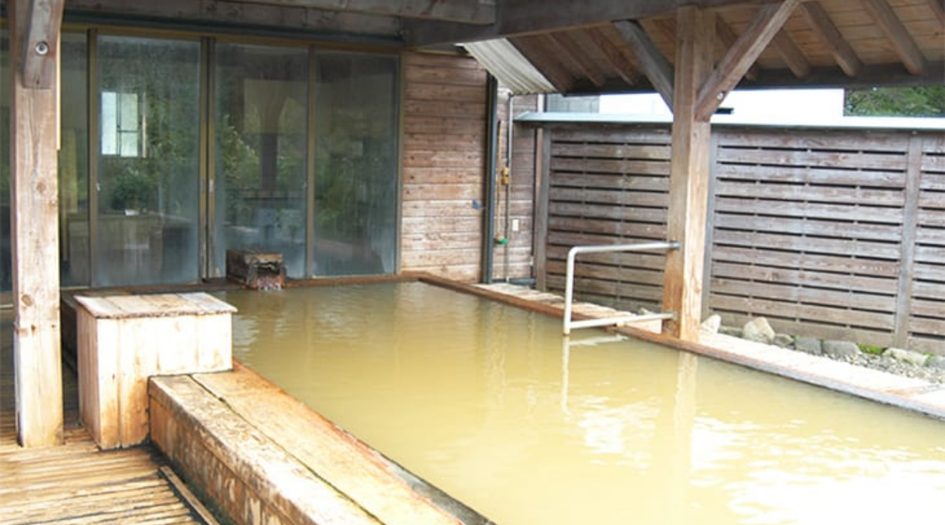
Best for: Traditional atmosphere and travellers who want something less polished
Kurashita-no-Yu is the one to choose if glossy spa facilities are not really the point.
Located between Happo and Iwatake, it is known for strongly mineralised, cloudy brown water and a deliberately simple setup. Hakuba.com’s current listing describes separate outdoor baths for men and women, with no indoor bath or sauna.
And that simplicity is exactly the appeal.
You come here to soak, look toward the mountains and experience something that feels more like a local bath than a resort wellness centre.
Hakuba.com currently lists:
- Adults: ¥600
- Children: ¥300
- Hours: 10:00–22:00
It also notes that towel rentals are not available, so this is one where bringing your own is particularly sensible.
Because prices and operating details can change, check them again before travelling.
Why our Villa Finder team would choose it: Kurashita-no-Yu has character. If you want “traditional mountain onsen” rather than “spa afternoon”, this is the mood.
4. Tenjin-no-Yu: Best for Panoramic Mountain Scenery
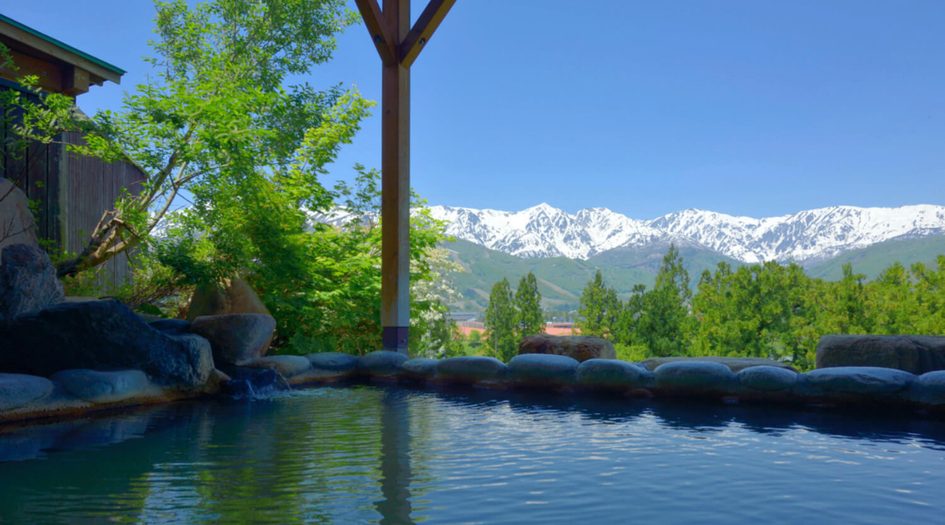
Best for: Big views, day visitors and slower rest days
Tenjin-no-Yu at Hakuba Highland Hotel is one of the strongest choices when scenery matters as much as the bath.
The hotel sits across the valley from the main mountain range, giving the outdoor bath broad views from Goryu toward the Hakuba mountains and Tsugaike. The facility has both indoor and open-air baths.
For day visitors, the hotel currently lists:
- Adults: ¥1,000
- Children aged 3 through elementary school: ¥500
- Day-use hours: 11:00–18:00
- Last entry: 17:00
Here’s a genuinely useful timing tip: the hotel says Tenjin-no-Yu tends to get busier after around 15:00, particularly when skiers and snowboarders begin finishing for the day.
If your schedule allows, go earlier and turn the onsen into the activity rather than squeezing it between your final run and dinner.
Why our Villa Finder team would choose it: If someone in the group says, “I mostly want the beautiful outdoor-onsen-with-snowy-mountains thing,” point them here.
5. Sato-no-Yu: Best Small Winter Onsen in Happo
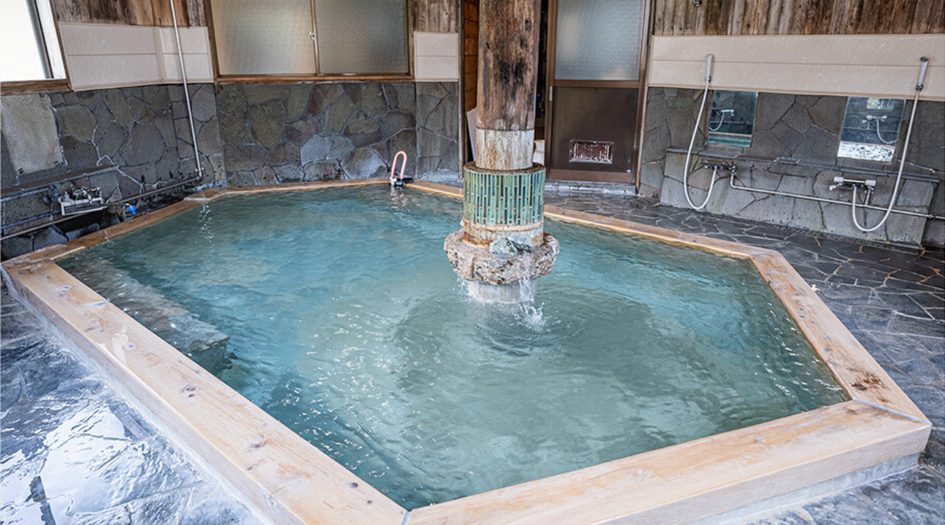
Best for: Traditional atmosphere and a convenient winter evening soak
Sato-no-Yu is a smaller and more traditional option in the centre of Happo Onsen Town.
Its distinctive feature is a hexagonal bath in the middle of the bathing area, and it is located on the route from the Happo bus stop toward the gondola.
Unlike Happo-no-Yu and Mimizuku, it operates seasonally.
The current official schedule lists:
- Operating season: December 1 to March 31
- Hours: 16:00–20:00
- Last entry: 19:30
- Adults: ¥800
- Elementary-school children: ¥500
- Children aged 3 to preschool: ¥300
That makes it particularly convenient as an après-ski stop if you are already staying or eating around Happo.
Why our Villa Finder team would choose it: It is compact, traditional and perfectly timed for the “ski boots off, onsen next” part of the evening.
6. Obinata-no-Yu: Best Hakuba Onsen for Green Season
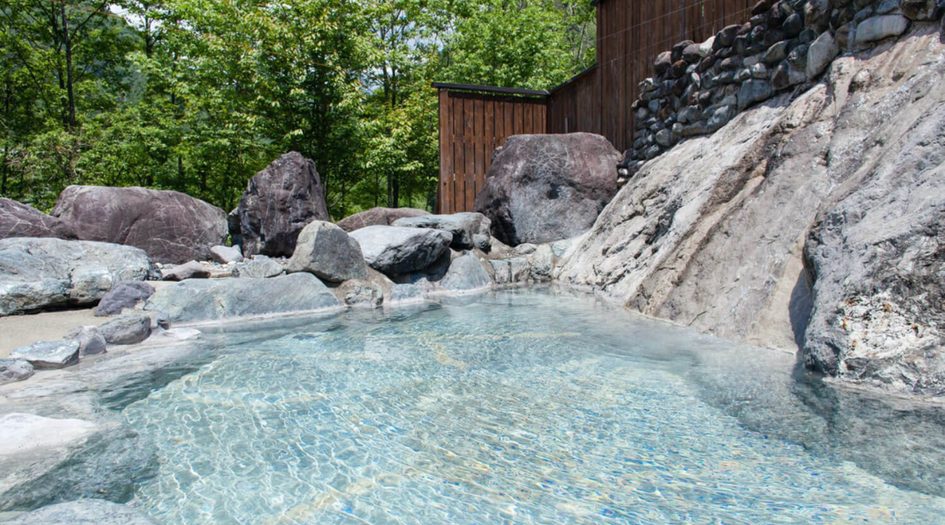
Best for: Outdoor bathing, nature and spring-to-autumn trips
Obinata-no-Yu proves that Hakuba onsen hopping is not just a winter hobby.
Around three kilometres beyond Happo in the direction of Hakuba Daisekkei, Obinata features an outdoor bath built around a large natural rock.
Its schedule is very seasonal.
The current official site says regular public bathing runs from Golden Week in May until October 31, while winter use is charter-only.
Current admission is listed as:
- Adults: ¥800
- Elementary-school children: ¥500
- Children aged 3 to preschool: ¥300
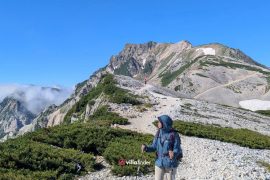
That makes it an especially good companion to hiking, cycling or sightseeing during Hakuba’s green season.
Why our Villa Finder team would choose it: It feels connected to the landscape rather than simply being an indoor activity with hot water.
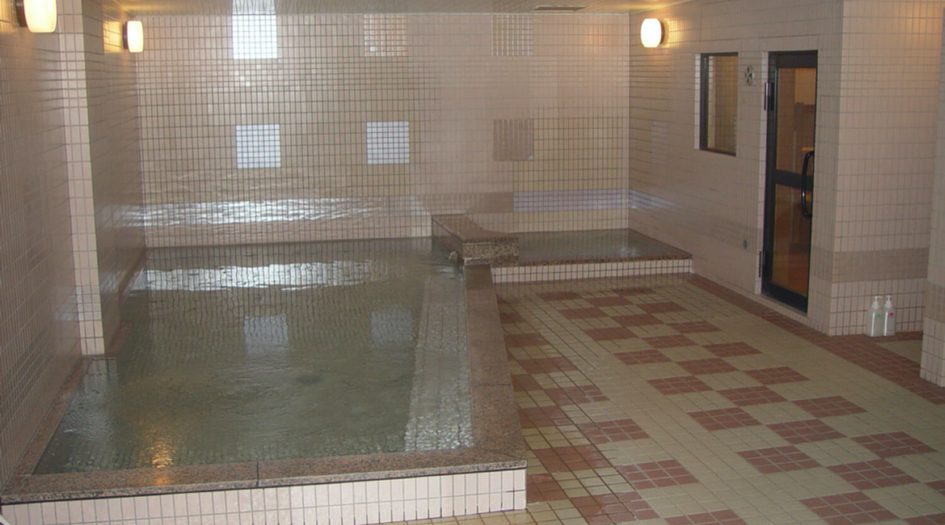
7. Ryujin-no-Yu at Escal Plaza: Best After Skiing Hakuba Goryu
Best for: Goryu skiers who want maximum convenience
Sometimes the best onsen is simply the one located exactly where your exhausted legs already are.
Ryujin-no-Yu is inside Escal Plaza at the base of Hakuba Goryu, alongside restaurants, shops, rentals and other resort facilities.
During the 2025–26 winter season, Hakuba Goryu listed the onsen from 12:00–22:00 during its core winter period, with last entry at 21:30. The resort also operates the facility on selected green-season dates, so opening hours should always be checked for your specific trip.
This is less about making a special pilgrimage and more about creating the easiest possible end to a ski day.
Finish your final run. Put the equipment away. Get warm. Find dinner.
That is a very persuasive four-step programme.
Why our Villa Finder team would choose it: It wins on convenience if Goryu is already where you are skiing.
Can You Visit a Hakuba Onsen Without Staying at a Hotel?
Yes. Several of Hakuba’s best-known onsens specifically welcome day visitors, so you do not need to stay in an onsen hotel.
Happo-no-Yu, Mimizuku-no-Yu, Obinata-no-Yu and Sato-no-Yu are public bathing facilities. Tenjin-no-Yu also permits day-use bathing during designated hours.
That means you can quite easily stay in a private chalet and still try several different onsens during the trip.
The main thing to check is timing.
Some baths are:
- open year-round
- winter-only
- green-season only
- accessible to day visitors only during limited hours
Obinata-no-Yu, for example, currently runs normal public bathing from Golden Week through October, while Sato-no-Yu operates from December through March.
So before walking across Hakuba in the cold with wet hair and great optimism, check today’s opening hours.
What Is Hakuba Onsen Water Like?
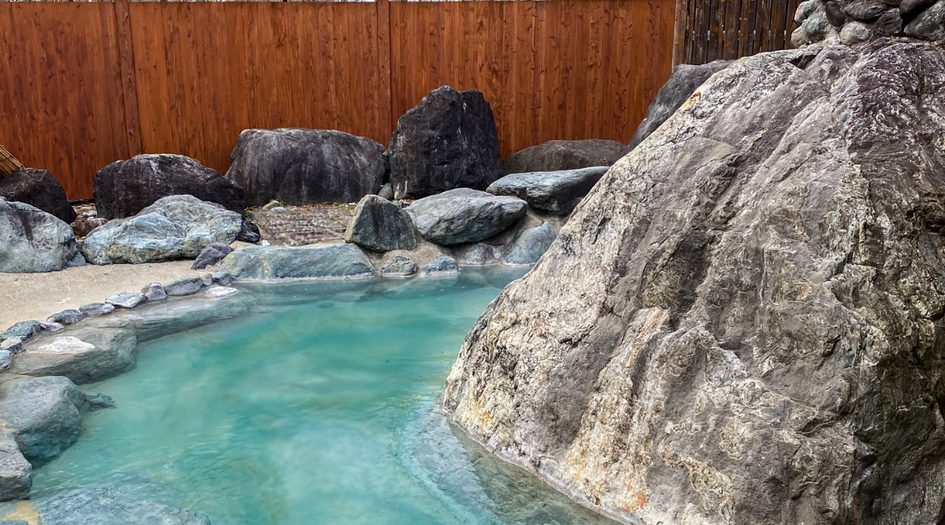
Not every Hakuba onsen contains exactly the same kind of spring water.
One of the best-known sources is Hakuba Happo Onsen, it describes its water as highly alkaline, with a pH above 11. The spring supplies several local public baths and accommodation facilities.
That water has a noticeably slippery or silky feel on the skin.
Kurashita-no-Yu offers a very different experience. Its mineral-heavy water has a cloudy brown appearance rather than the clear-water look many first-time visitors expect.
Tenjin-no-Yu, meanwhile, uses Hakuba Himekawa hot-spring water.
This variety is part of the fun if you visit more than one.
You do not need to become a part-time geochemist during your holiday. Just know that colour, texture and temperature can differ considerably between baths.
And we would avoid planning an onsen visit around dramatic medical promises. Go because it is relaxing, culturally interesting and a spectacular way to end a mountain day. Anything beyond that is a bonus.
What Hakuba Onsen Etiquette Should First-Time Visitors Know?
Japanese onsen etiquette looks intimidating when written as a list of rules. In practice, it mostly comes down to one principle:
Keep yourself and the shared bath clean, and be considerate of everyone around you.
Here is the first-timer version.
1. Take off your clothes
Traditional public onsen are normally used nude, with separate male and female bathing areas. Swimsuits are not generally worn.
Yes, this can feel strange for approximately the first 37 seconds. Then you notice that nobody else particularly cares.
2. Wash before entering the bath
You will normally find low stools, showers and washing stations beside the baths. Sit down, wash thoroughly with soap and shampoo, then rinse everything off before entering the onsen. The bath is for soaking, not washing.
3. Keep your towel out of the water
That little towel can be used while washing or for a bit of modesty while walking around.
Do not put it in the bath.
You can leave it beside the pool or do the classic onsen move and balance it on your head.
Fashion has peaked.
4. Keep long hair out of the bath
Tie up long hair so it does not fall into the water.
5. Keep things quiet
An onsen is a relaxing shared space rather than a swimming pool. JNTO advises speaking softly and avoiding swimming or splashing. Phones should stay outside the bathing area.
6. Pay attention to the water temperature
Onsen water can feel much hotter than the pools you are used to. Enter slowly, and there is absolutely no prize for staying submerged longest.
7. Dry yourself before returning to the changing area
Use your small towel to remove excess water before stepping back into the dry changing room. It is one of those tiny etiquette details that immediately makes the whole system make sense.
Can You Visit a Hakuba Onsen With Tattoos?
Possibly, but tattoo policies vary by individual onsen, so always check before visiting.
Some Japanese onsens still restrict guests with tattoos, while others are increasingly flexible. Small tattoos may sometimes be accepted if covered with an approved tattoo seal, but there is no single rule that applies everywhere.
If you have tattoos, your best options are:
- contact the onsen before visiting
- ask whether tattoo covers are acceptable
- find a facility that explicitly permits tattoos
- reserve a private kashikiri bath
- choose accommodation with private bathing facilities
JNTO specifically recommends private baths as an alternative when public-bath tattoo rules are a concern.
We would not rely on an old forum comment saying, “My friend went there three winters ago and nobody cared.”
Policies change, staff change and tattoos vary in size.
Ask first and save yourself the awkward conversation in a changing room.
What Should You Bring to a Hakuba Onsen?
You do not need much.
For most public onsens, bring:
- a small washing towel
- a larger drying towel
- cash or a payment card
- a hair tie if you have long hair
- clean clothes
- water for afterwards
- any personal toiletries you prefer
But facilities differ.
Happo-no-Yu and Mimizuku currently provide body soap, shampoo, conditioner and hair dryers. They also sell small towels and rent towel sets.
Kurashita-no-Yu is more stripped-back, and Hakuba.com’s listing specifically notes that it does not rent towels.
If you are going straight from skiing, resist the temptation to carry your entire ski wardrobe into a small onsen changing room. Drop bulky gear at your accommodation or use appropriate storage first.
Where Should You Stay in Hakuba for Easy Onsen Access?
You do not need to choose your Hakuba accommodation solely around the nearest hot spring.
It makes more sense to choose the village that works for your skiing, restaurants and group first, then treat nearby onsens as a bonus.
- Happo is particularly convenient for onsen hopping because Happo-no-Yu and Sato-no-Yu are both in the area, while other baths are a short drive away. It is a strong option for first-time visitors who want skiing, restaurants, transport and bathing facilities relatively close together.
- Wadano works well for families and groups prioritising a quieter chalet environment while staying near Happo-One. You will not necessarily have a public onsen outside the front door, but several Happo-area options are nearby.
- Echoland and Misorano, these areas make sense when restaurants, bars and private chalets matter more than walking to a specific public bath.
- Goryu and Iimori: If Goryu is your main ski area, Ryujin-no-Yu inside Escal Plaza creates the simplest ski-and-soak combination.
Our where to stay in Hakuba guide compares the villages in much more detail and is the better place to make the actual accommodation decision.
FAQs About Hakuba Onsen
What are the best onsens in Hakuba?
For first-time visitors, Happo-no-Yu and Mimizuku-no-Yu are two of the easiest choices because they combine central locations, outdoor bathing and mountain views. Tenjin-no-Yu is particularly good for panoramic scenery, while Kurashita-no-Yu offers a more traditional and rustic experience.
The best option ultimately depends on where you are staying and whether you prioritise convenience, scenery or atmosphere.
Are there public onsens in Hakuba?
Yes. Hakuba Happo Onsen officially operates four public bathing facilities: Happo-no-Yu, Mimizuku-no-Yu, Obinata-no-Yu and Sato-no-Yu.
There are also independent and hotel-based day-use baths elsewhere in the valley.
Can tourists use onsens in Hakuba?
Yes. Many Hakuba onsens welcome day visitors, including overseas tourists.
If it is your first time, learn the basic bathing etiquette beforehand and check any facility-specific rules.
How much does a Hakuba onsen cost?
Public-bath prices vary by facility. At the time of writing, the official Happo Onsen public baths listed here cost roughly ¥800–¥1,000 for an adult, depending on the bath.
Prices can change, so check before visiting rather than building a holiday budget around an article you bookmarked two winters ago.
Do you need to book a Hakuba onsen in advance?
Normally, public day-use onsens do not require a standard reservation.
Private kashikiri baths are different and may need to be reserved. Hakuba Highland Hotel’s private bath, for example, is available to staying guests by reservation.
Are there private onsens in Hakuba?
Yes. Some accommodations provide reservable private baths, while other properties have private onsen facilities as part of the stay.
Private bathing is particularly useful for couples, families and travellers who are uncomfortable using communal baths.
Can couples use a private onsen together?
Private kashikiri baths are commonly designed for exclusive use by an individual party rather than being separated like public male and female baths. JNTO recommends private onsen as an alternative for travellers wanting more privacy.
Always check the specific facility’s capacity and rules when reserving.
Are tattoos allowed in Hakuba onsens?
There is no single rule covering every Hakuba onsen. Tattoo policies in Japan vary by facility, with some permitting tattoos, some accepting covered small tattoos and others restricting them.
Check directly before visiting, or reserve a private bath for the simplest option.
Do you have to be naked in a Japanese onsen?
In most traditional public onsens, yes. Bathing is normally nude, and swimsuits are generally not worn.
Changing rooms and most public bathing areas are separated by gender.
Can children use Hakuba onsens?
Many can. The Hakuba Happo Onsen public baths publish separate fees for elementary-school and preschool-aged children, confirming that children are welcomed at those facilities.
For babies and very young children, check the individual facility’s rules before going.
What should I bring to a Hakuba onsen?
Bring towels, a hair tie if needed and clean clothes. Some facilities provide toiletries and rent towels, while simpler baths may not.
Checking the facility before you leave your accommodation saves you from buying yet another souvenir towel.
Can I visit a Hakuba onsen after skiing?
Absolutely. Post-ski bathing is one of the easiest ways to work an onsen into your Hakuba itinerary.
Just expect the hours immediately after skiing to be popular. Tenjin-no-Yu, for example, warns that it tends to become more crowded from around 15:00.
Are Hakuba onsens open in summer?
Some are. Happo-no-Yu and Mimizuku currently operate year-round, while Obinata-no-Yu runs its regular public-bathing season from Golden Week until October 31.
Other facilities have their own green-season schedules, so check before travelling.
What is the difference between an onsen and a sento?
An onsen uses naturally sourced geothermal hot-spring water, while a sento traditionally uses ordinary heated water.
Both follow broadly similar communal bathing etiquette, but the natural spring is what technically makes an onsen an onsen.
Ready for Your Hakuba Soak?
Hakuba may be famous for skiing, but eventually even the most committed powder hunter has to admit their legs would quite like a day off.
That is where the onsen earns its place in the itinerary.
Start with Happo-no-Yu if you want an easy first experience. Head to Mimizuku or Tenjin-no-Yu when mountain views matter most. Try Kurashita for something more traditional, or save Obinata for a green-season trip.
And if the thought of walking home afterwards already sounds far too energetic, make the onsen part of your accommodation instead. Villa Finder’s Hakuba Onsen chalet collection is a useful place to start if your group wants privacy and a soak close to home.
Whichever you choose, the routine is wonderfully uncomplicated: ski or explore, get warm, slow down, repeat.
Your legs will understand.
Related Articles:
Japan Lift Pass Guide: How to Ski in Hakuba & Niseko Without the Ticket Stress
Summer in Hakuba Highlights: Dining Guide, Onsen Guide & Mountain Views
The Best Hakuba Chalets for Groups of 4-6 People


Comments are closed.